
space can inspire
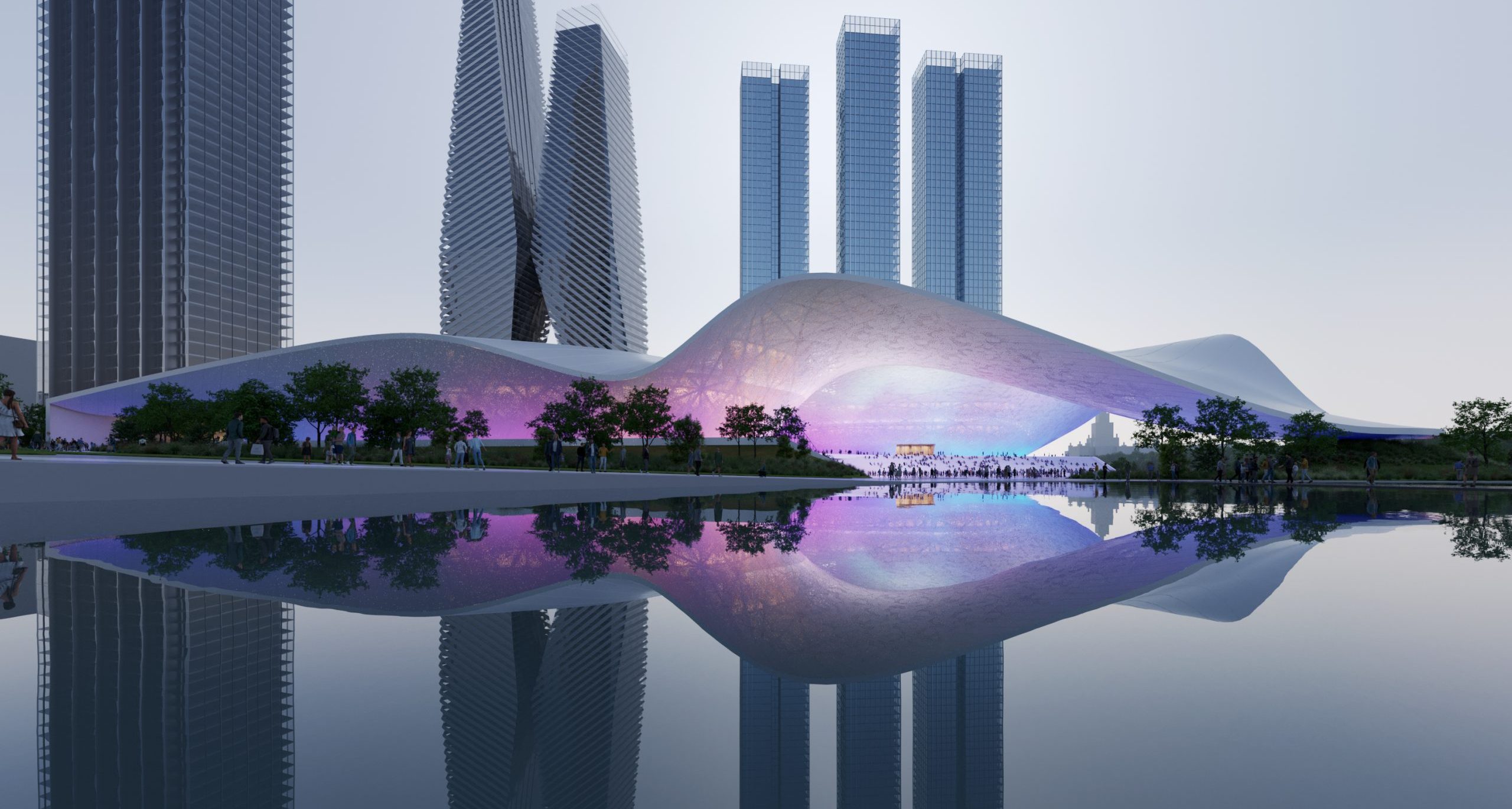
about ATRIUM
ATRIUM is an international architecture and urban design studio founded by Anton Nadtochiy and Vera Butko, with headquarters in Moscow and Dubai. For more than 30 years, the practice has worked across typologies and scales, bringing together Architecture, Design, Education and Digital.
A multidisciplinary team of 150+ specialists delivers projects from masterplanning and architecture to landscape and interior design. ATRIUM combines an author-led architectural approach with research, technology and a close reading of place. Across every scale, the studio searches for a form that gives meaning to the brief and creates a distinctive relationship between people, architecture and the city.
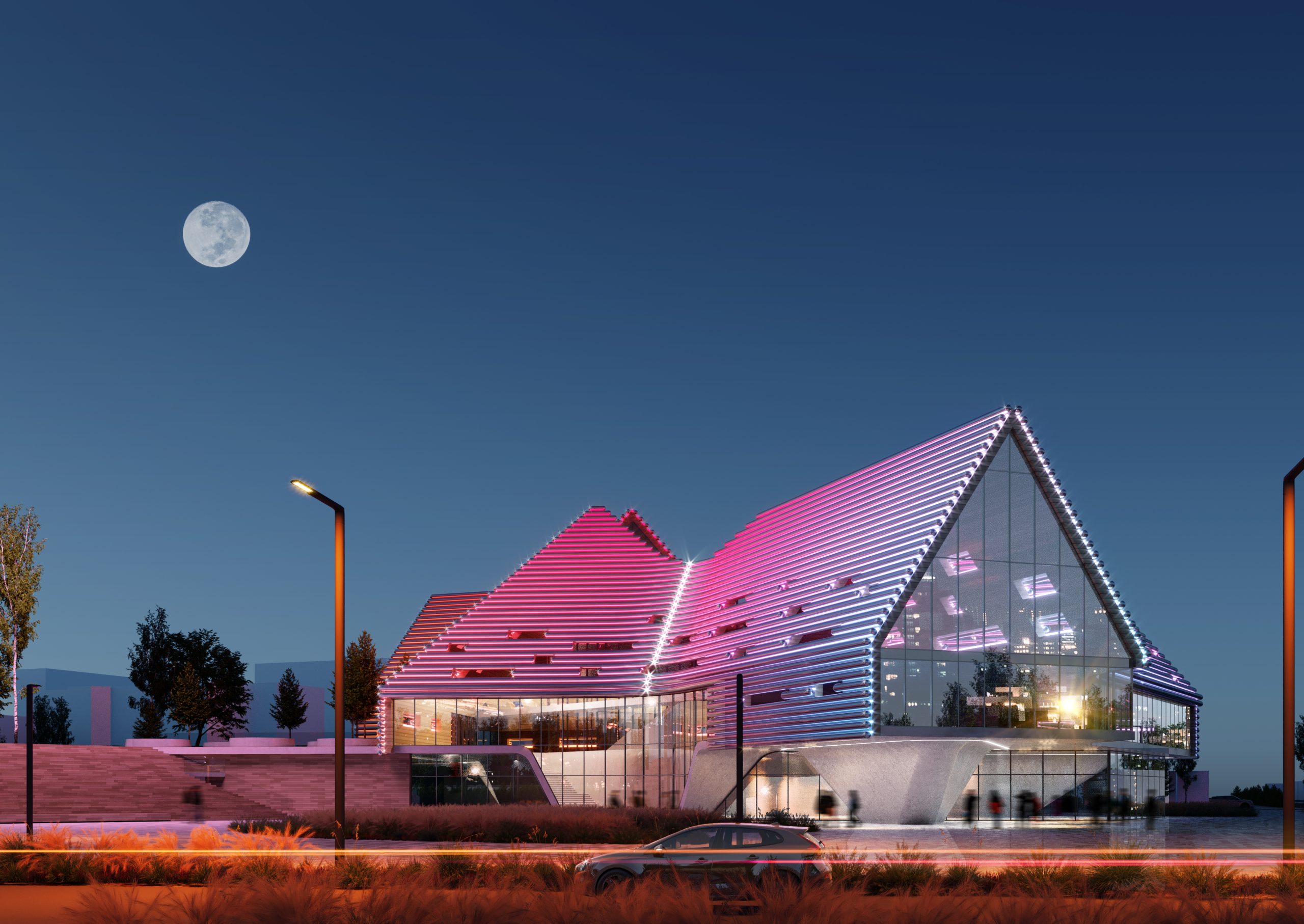
The architectural studio’s projects are published in professional journals, catalogues and guidebooks.
Many of our projects have been recognised by the professional community at international awards, and the studio itself has won numerous open architectural competitions.
30 years of architectural practice
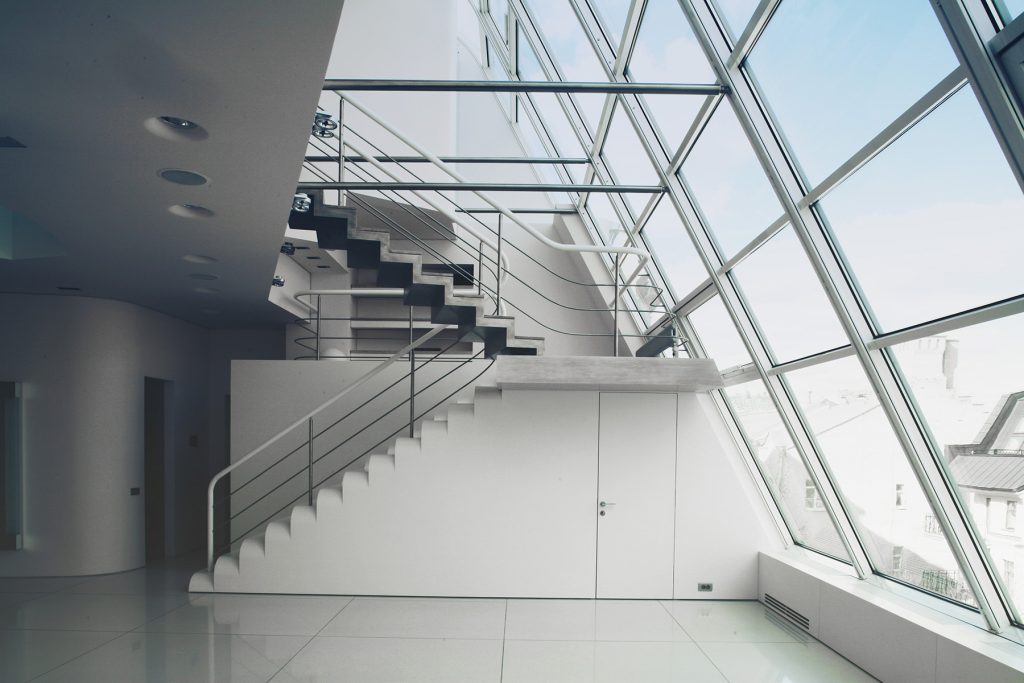
1994–1999
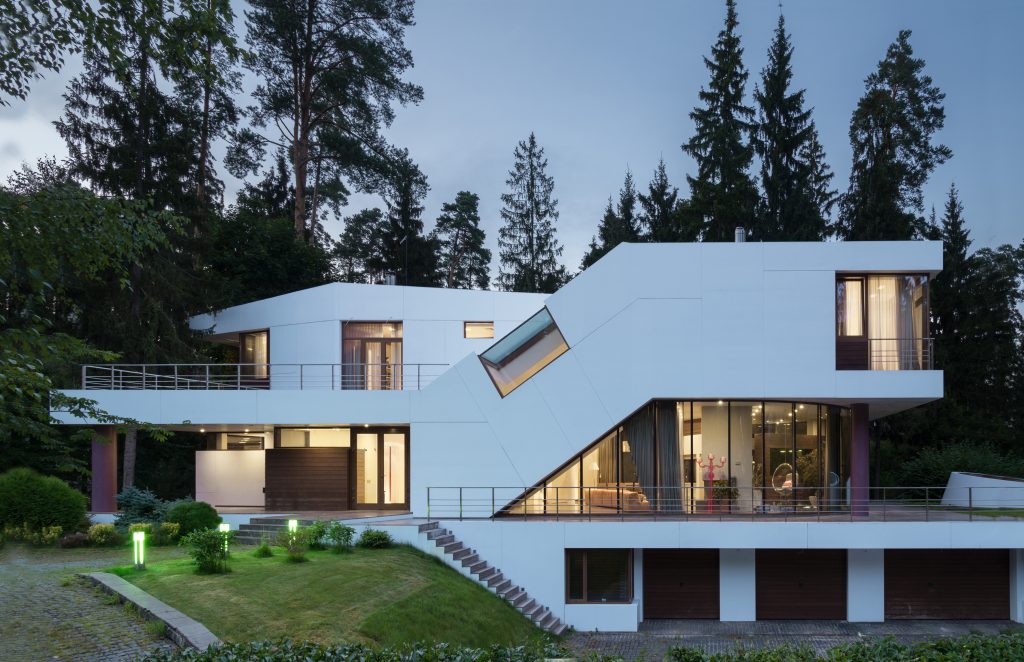
2000–2010

2010–2015
Alongside the delivery of landmark projects in Moscow — Barkli Park, Vodny and Planeta KVN — the studio began to work actively in other Russian cities, from Krasnodar to Yakutsk. An important milestone was its collaboration with leading international studios, including MVRDV, Maxwan, Massimiliano Fuksas, Atelier PRO, and later Antonio Citterio and ARCHEA.
This period marked ATRIUM’s shift from the authorial plasticity of a single building towards a more complex and layered approach, where architecture was understood as part of a wider urban, cultural and public context.

2015–2020
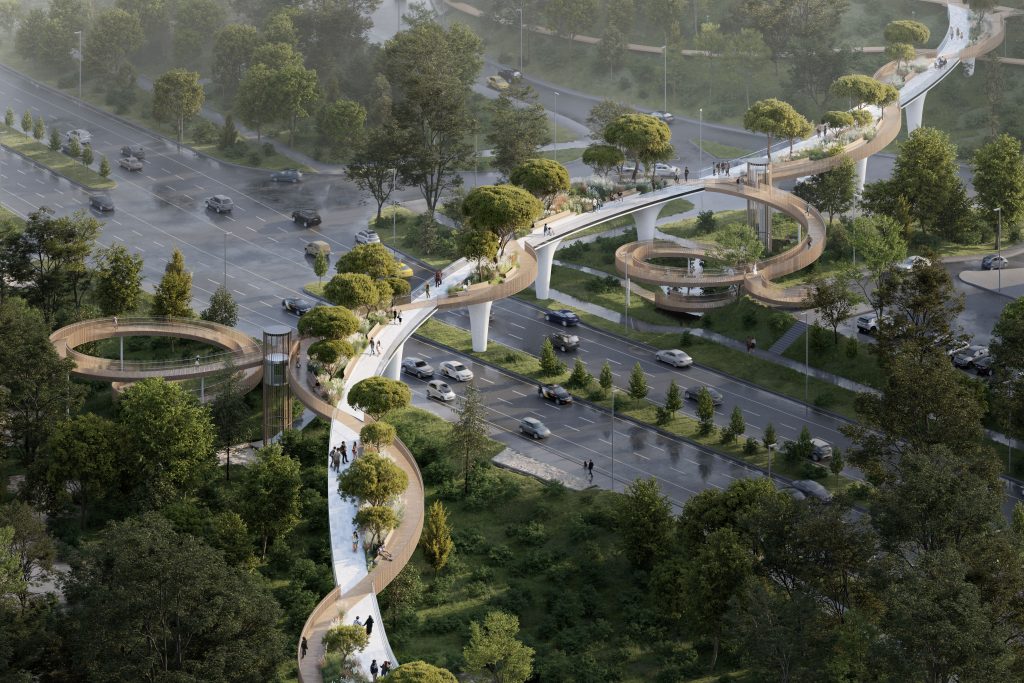
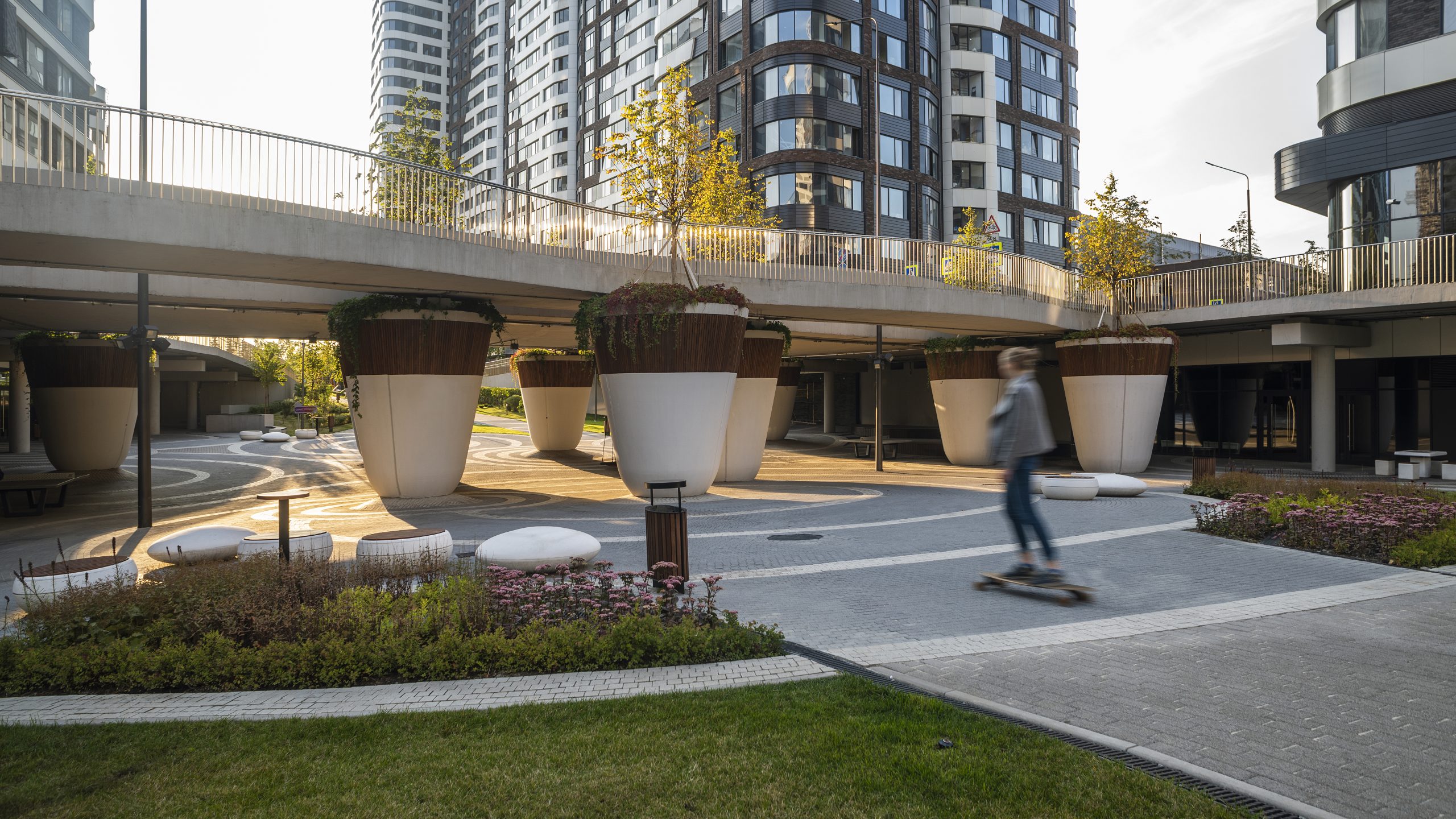
At the same time, the studio developed major residential and public complexes, public spaces and elements of new urban infrastructure: the quarters and Green River Park within the Symbol Residential District, Four Points by Sheraton in Krasnodar, and projects in Kazakhstan, Yakutia and other regions.
During this period, ATRIUM’s architecture became not only an expressive form, but also a tool for programming spatial scenarios — residential, educational, public and landscape.
2020–today
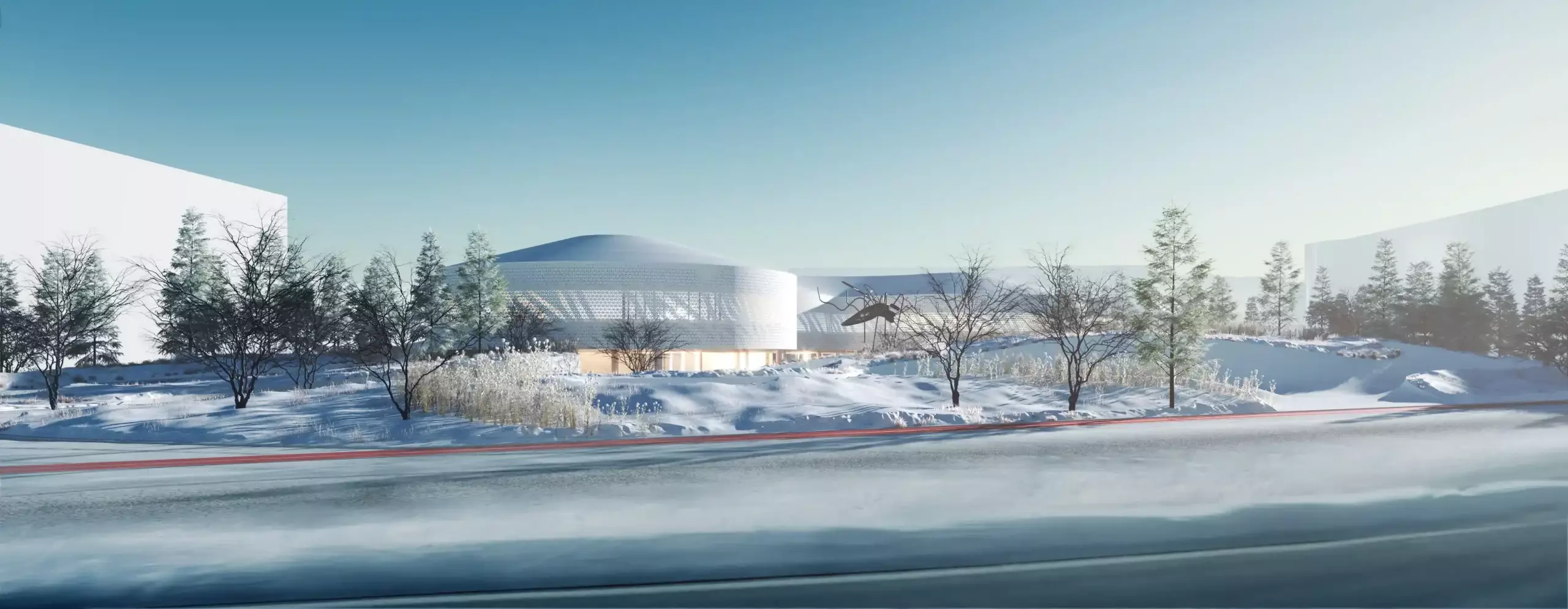
During these years, the practice expanded both internationally and typologically, with projects in Central Asia and the MENA region, new residential quarters, cultural spaces, schools and kindergartens.
Today, ATRIUM is a large author-led studio with a strong research-based and technological position, capable of working both with the real urban fabric and with new digital formats.


Founders of ATRIUM
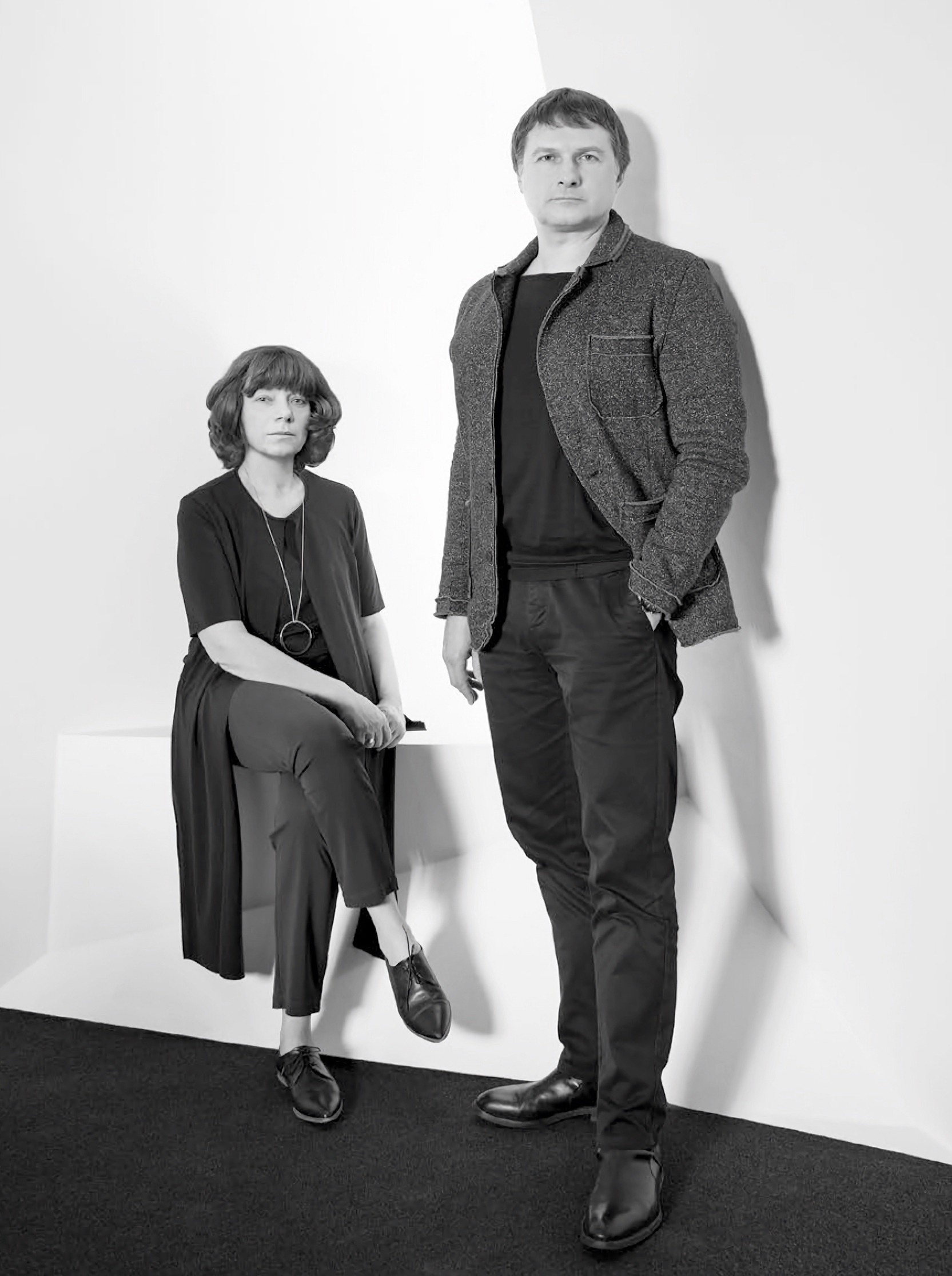
ATRIUM was founded in 1994 by architects Anton Nadtochiy and Vera Butko, who continue to lead the studio’s architectural and creative direction. Their joint practice has shaped ATRIUM’s approach for more than three decades, connecting expressive form with spatial logic, context and the experience of the city.
Alongside architectural practice, Nadtochiy and Butko are actively engaged in architectural education and professional discourse. They have taught at MARCH Architecture School, lecture at professional platforms and participate in exhibitions, competitions and international architectural events. Their work has received recognition across architecture, urban development, educational design and public space.
author-led architecture
For every brief, ATRIUM searches for a form that gives architectural meaning to functional, spatial and contextual requirements. The principle space can inspire expresses this approach: architecture can influence how people experience a place, interact with one another and understand the city around them.
This method extends across scales and typologies. Masterplanning, architecture, landscape, interiors and detail are developed as parts of one spatial idea, allowing each project to retain a clear identity while responding to its particular context.
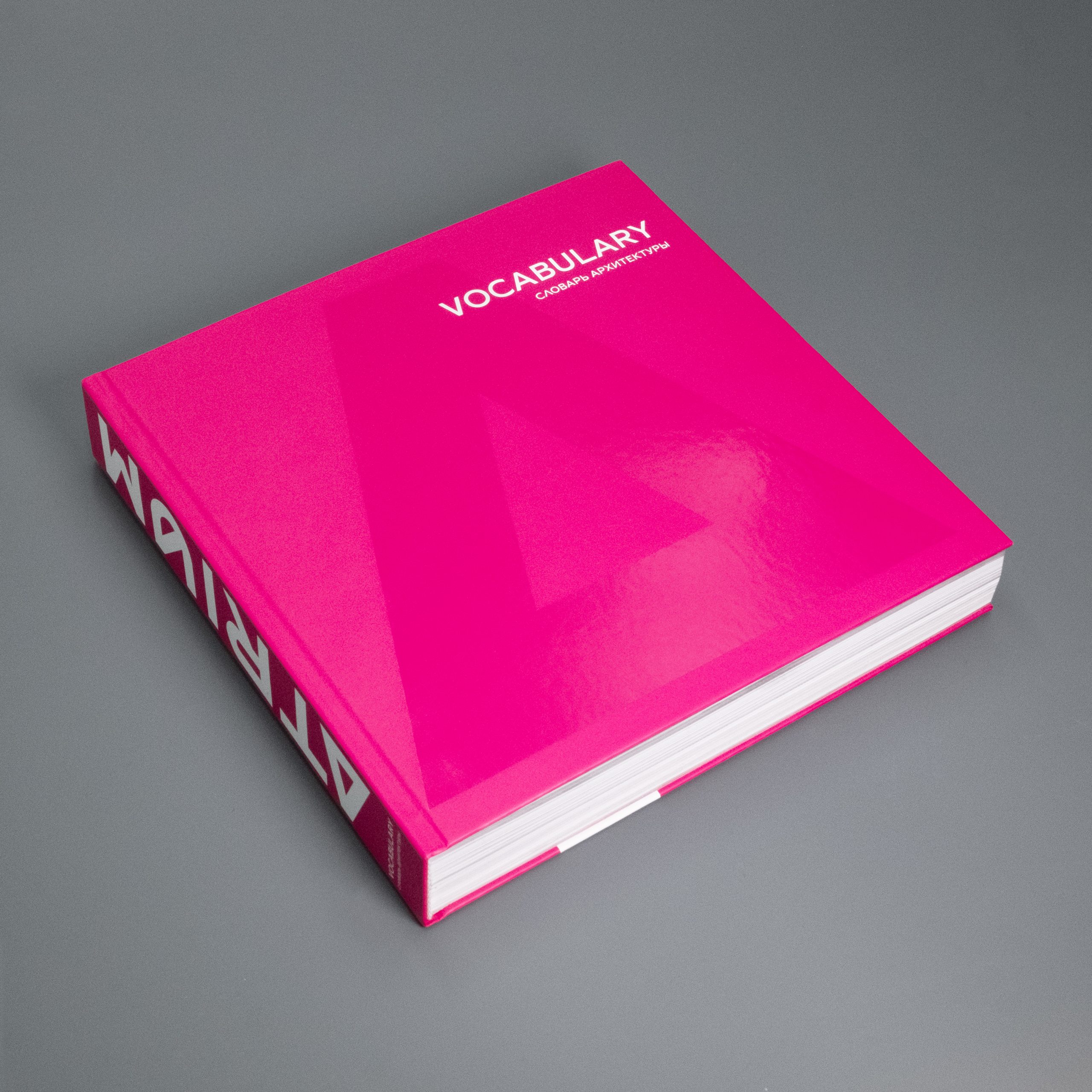

Research is also part of ATRIUM’s contribution to professional culture. The studio develops publications, exhibitions and educational programmes, lectures at architectural institutions and shares its methodology through public discussion and teaching.
The studio investigates contemporary learning environments, new design technologies and emerging forms of spatial experience, translating this knowledge back into architectural projects.