Khoja Ahmed Yasawi Museum
- location
- Kazakhstan, Turkestan
- design
- 2019
- site area
- 1 ha
- total area
- 2 970 m²
The authorities of Turkestan, a city in southern Kazakhstan, envision its transformation into the capital of the entire Turkic world. At present, however, it has only a museum dedicated to the local philosopher Khoja Ahmed Yasawi, the founder of the Turkic branch of Sufism. For this reason, in 2018 a competition was announced for a series of new cultural facilities, including the Yasawi Museum, the Schoolchildren’s Palace and the Nazarbayev Kazakhstan Centre (“Museum of the Great Steppe”). ATRIUM’s architects received awards in two categories.
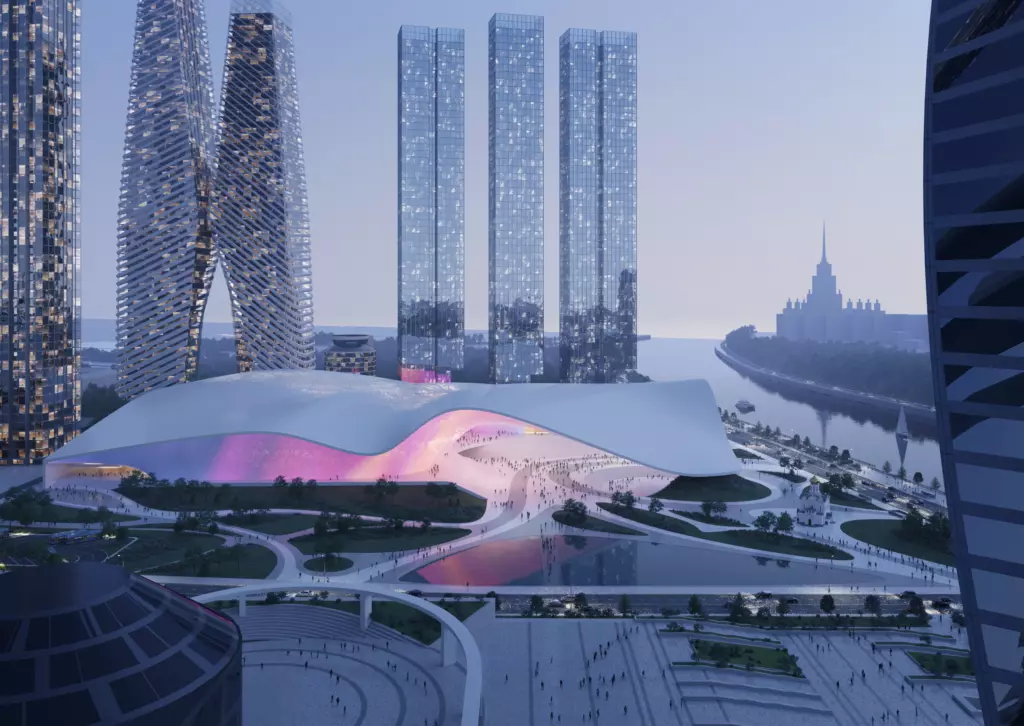
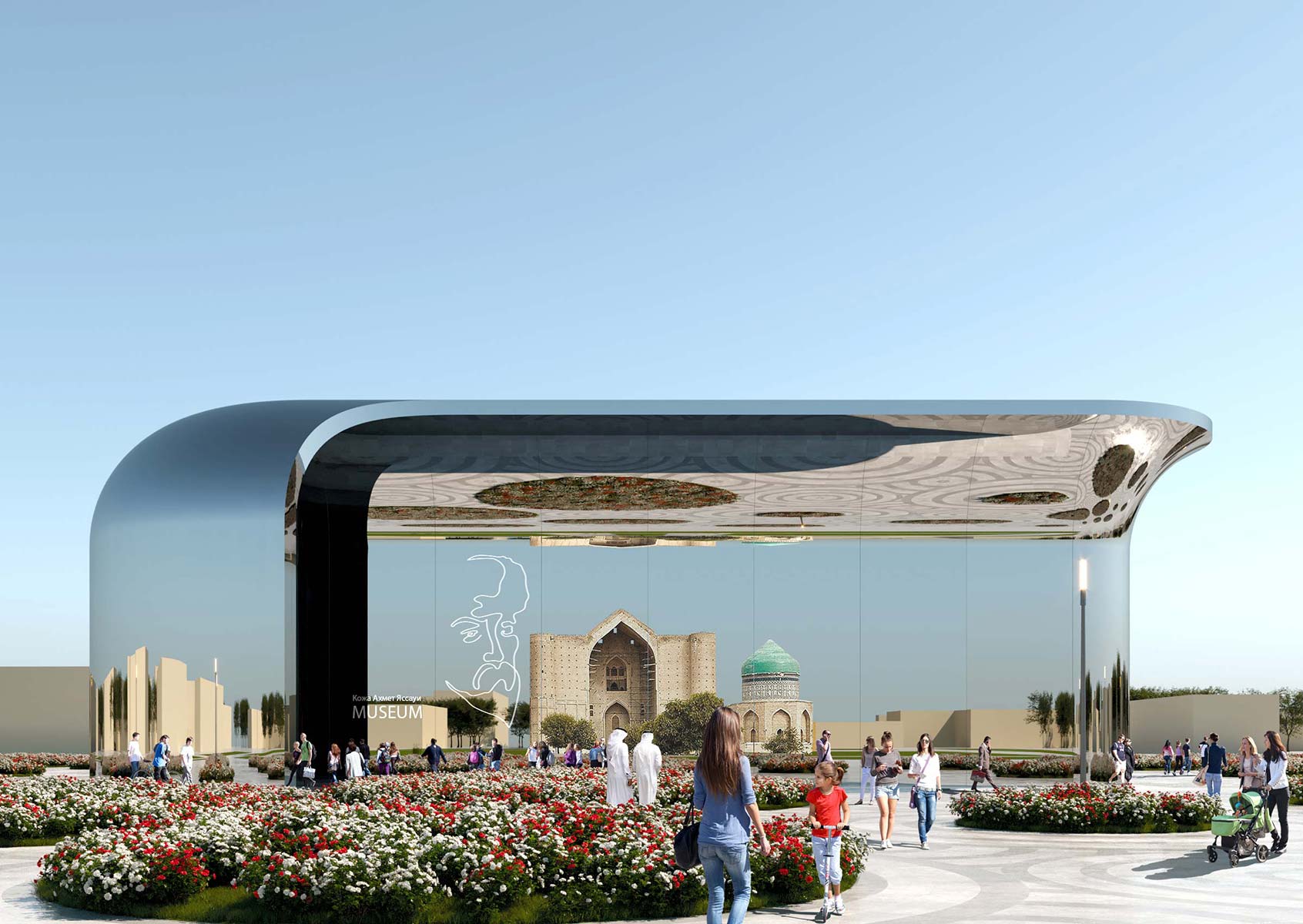
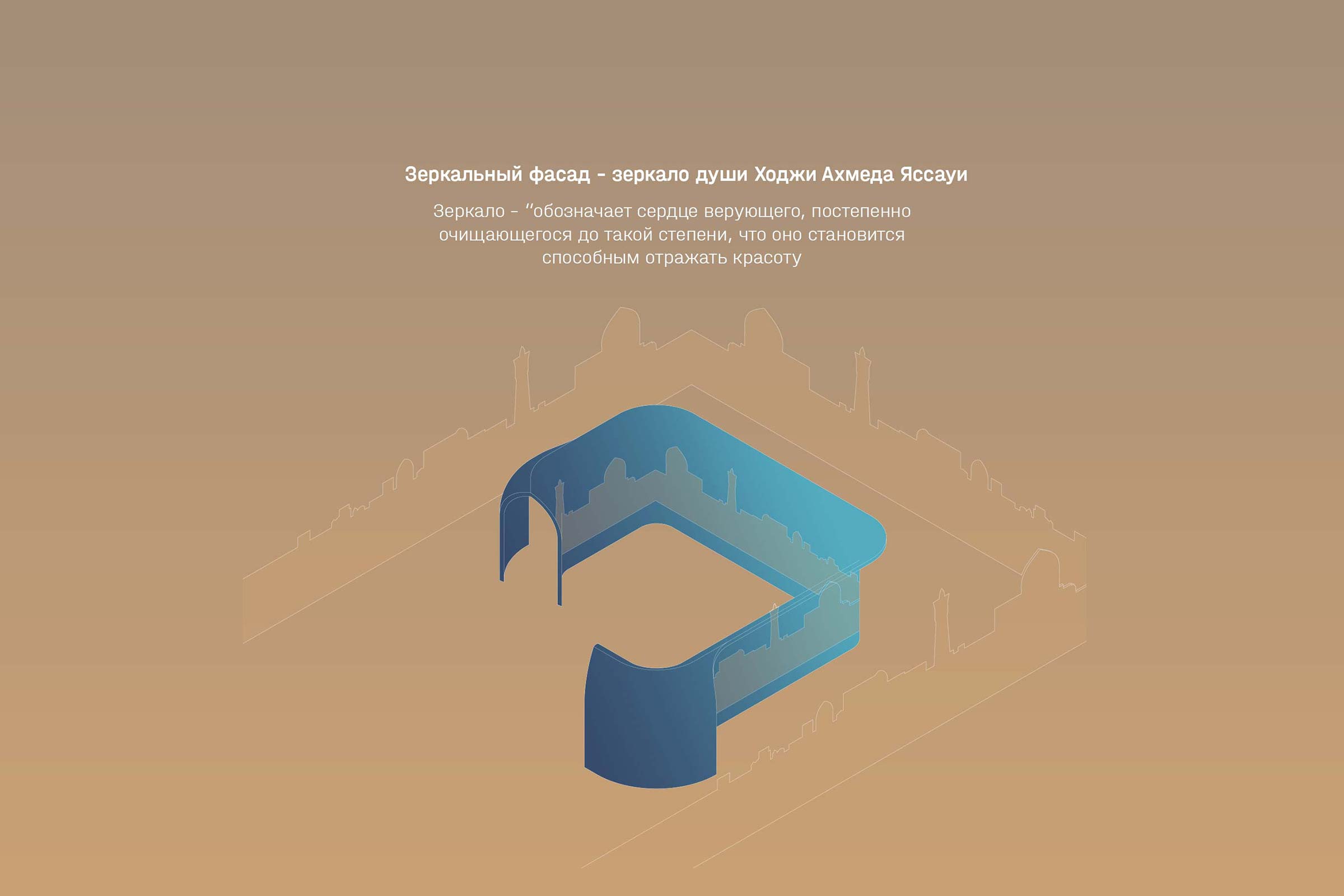
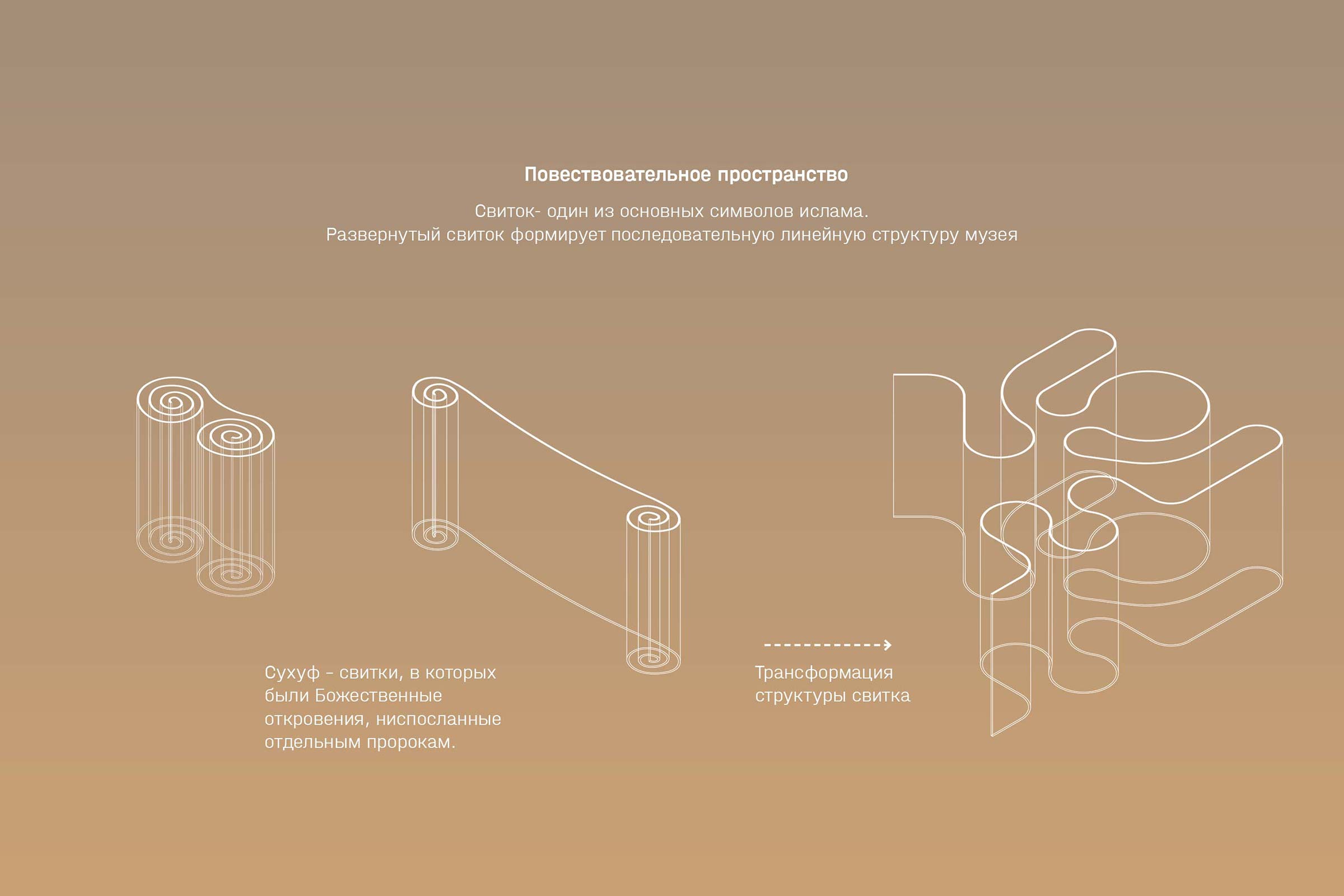
Khoja Ahmed Yasawi is one of the most revered figures of Islam in the Turkic world. The Yasawi Mausoleum is the principal cultural landmark of Turkestan, while the new contemporary museum is intended to perform a secular cultural and educational role and to complement the architectural ensemble of the city’s historic centre. The concept of the museum is based on two images from Islamic Turkic culture — the Mirror and the Scroll.
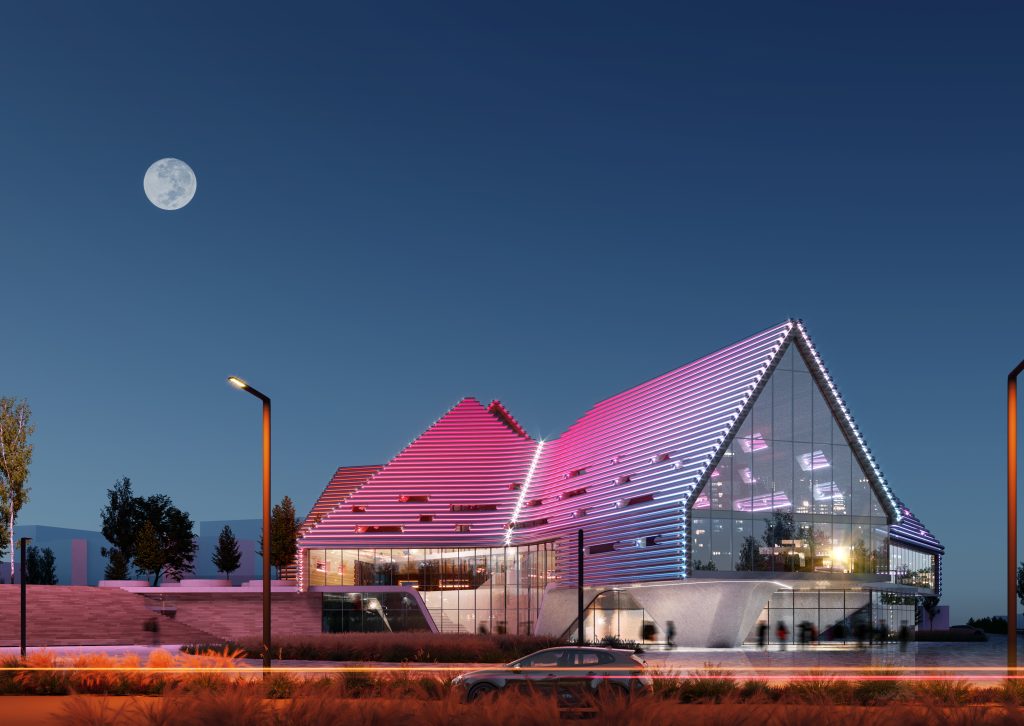
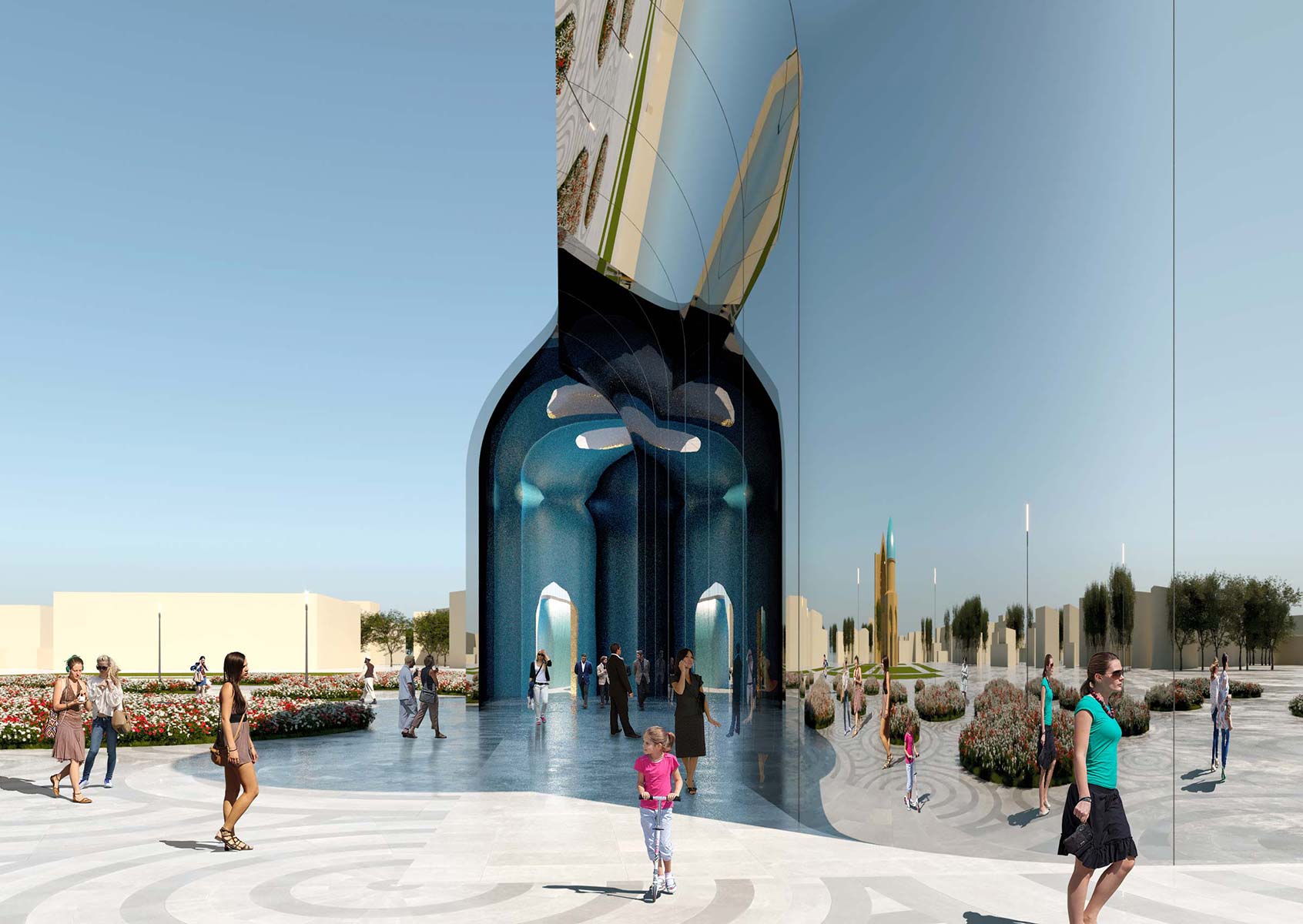
The key image underpinning the museum is the Cosmic Mirror — one of the central metaphors of Sufi philosophy. The museum’s reflective facade symbolises the soul of Khoja Ahmed Yasawi, “purified to such an extent that it becomes capable of reflecting the beauty of Allah”. The polished metal panels of the facade are intended to reflect the continuous flow of history, the development of Turkestan and the life of its people.
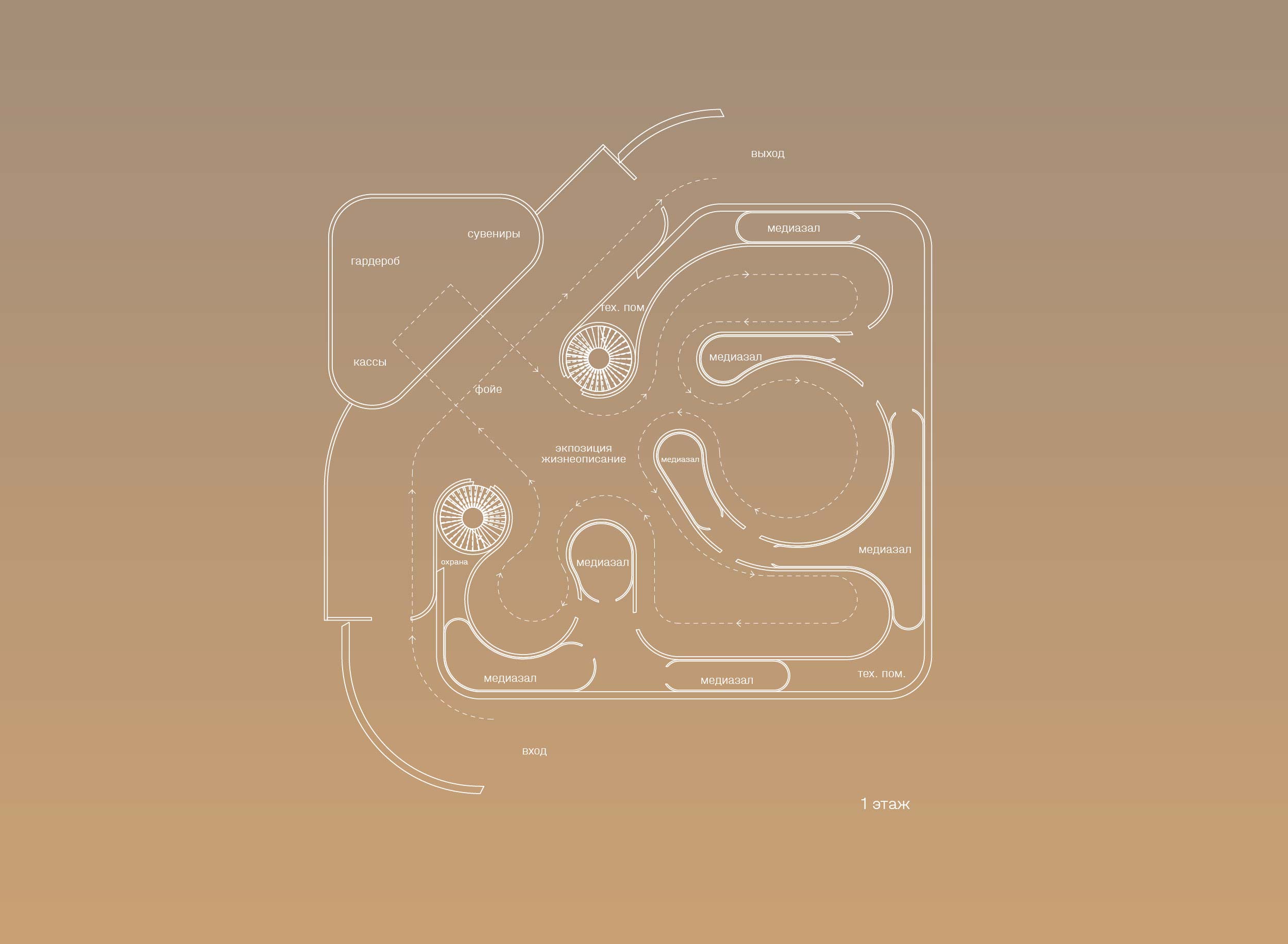
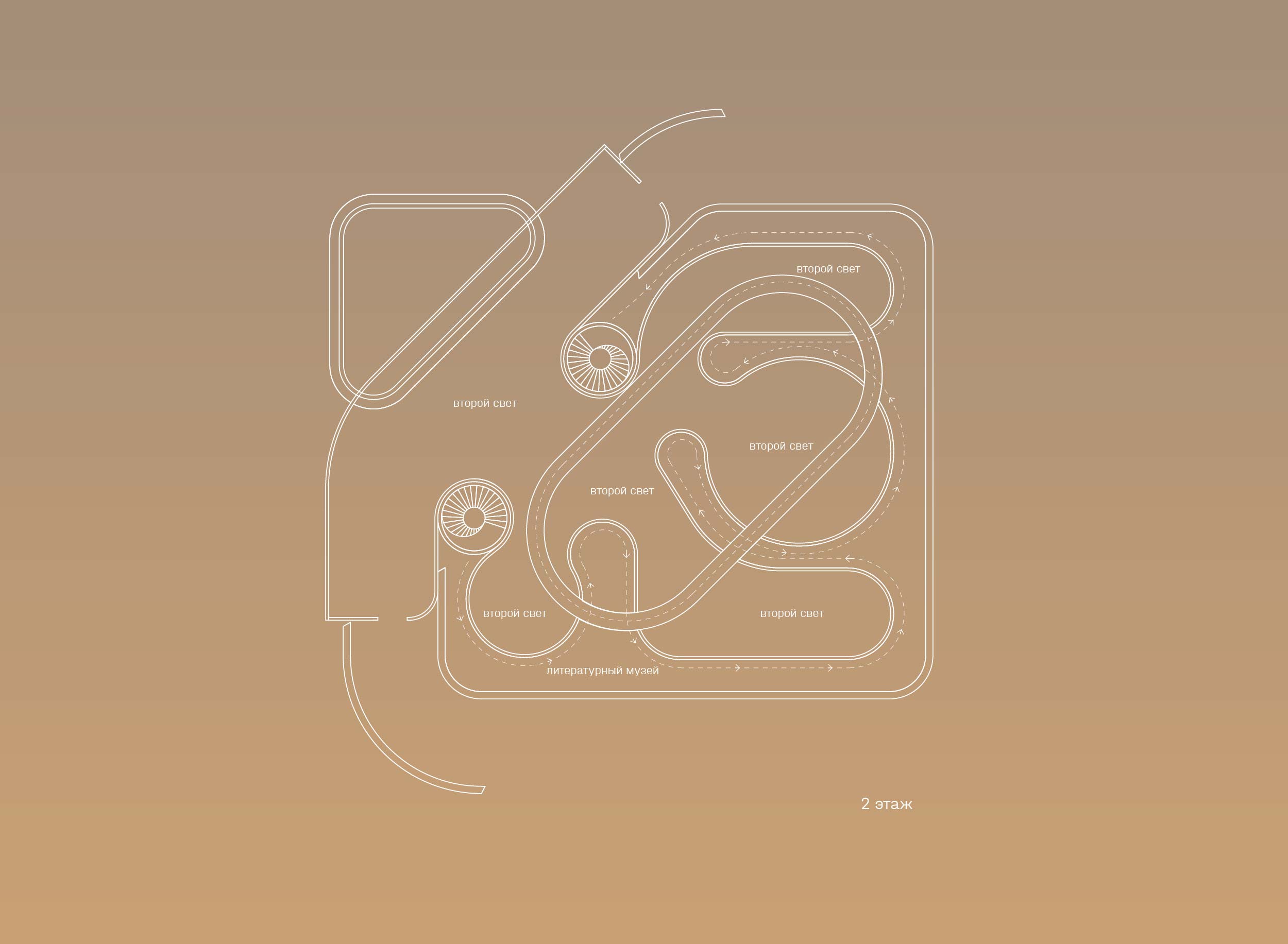
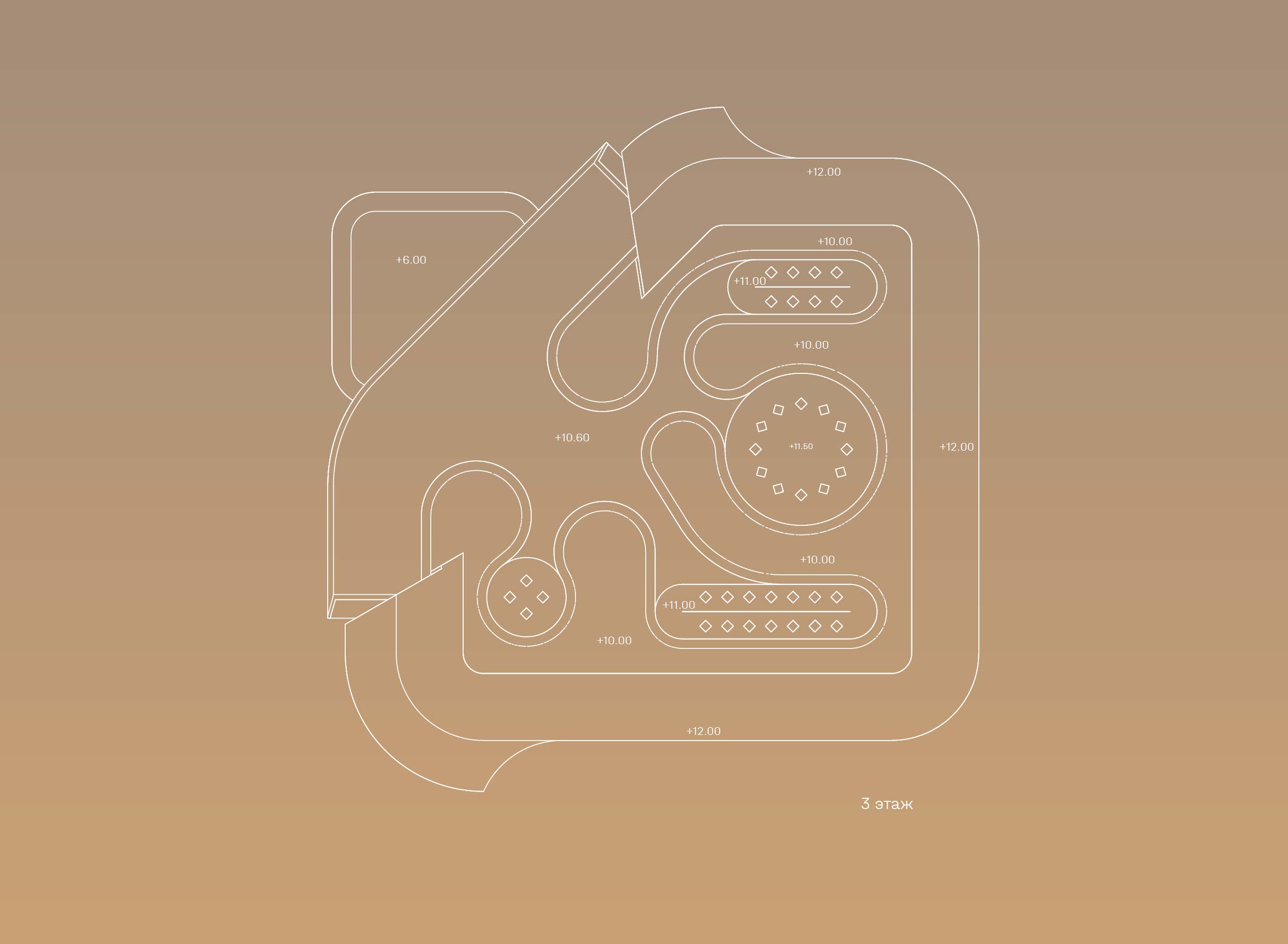
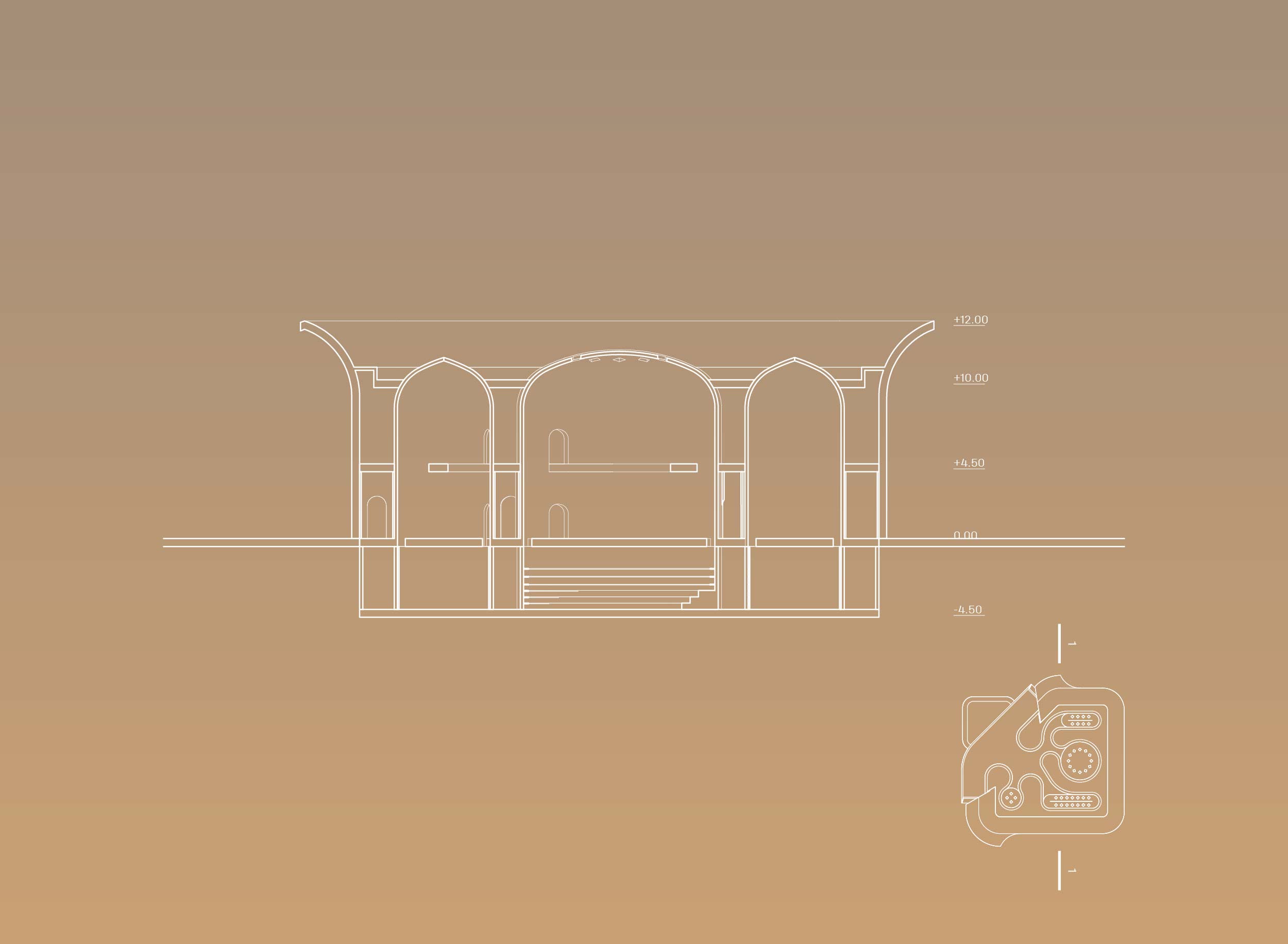
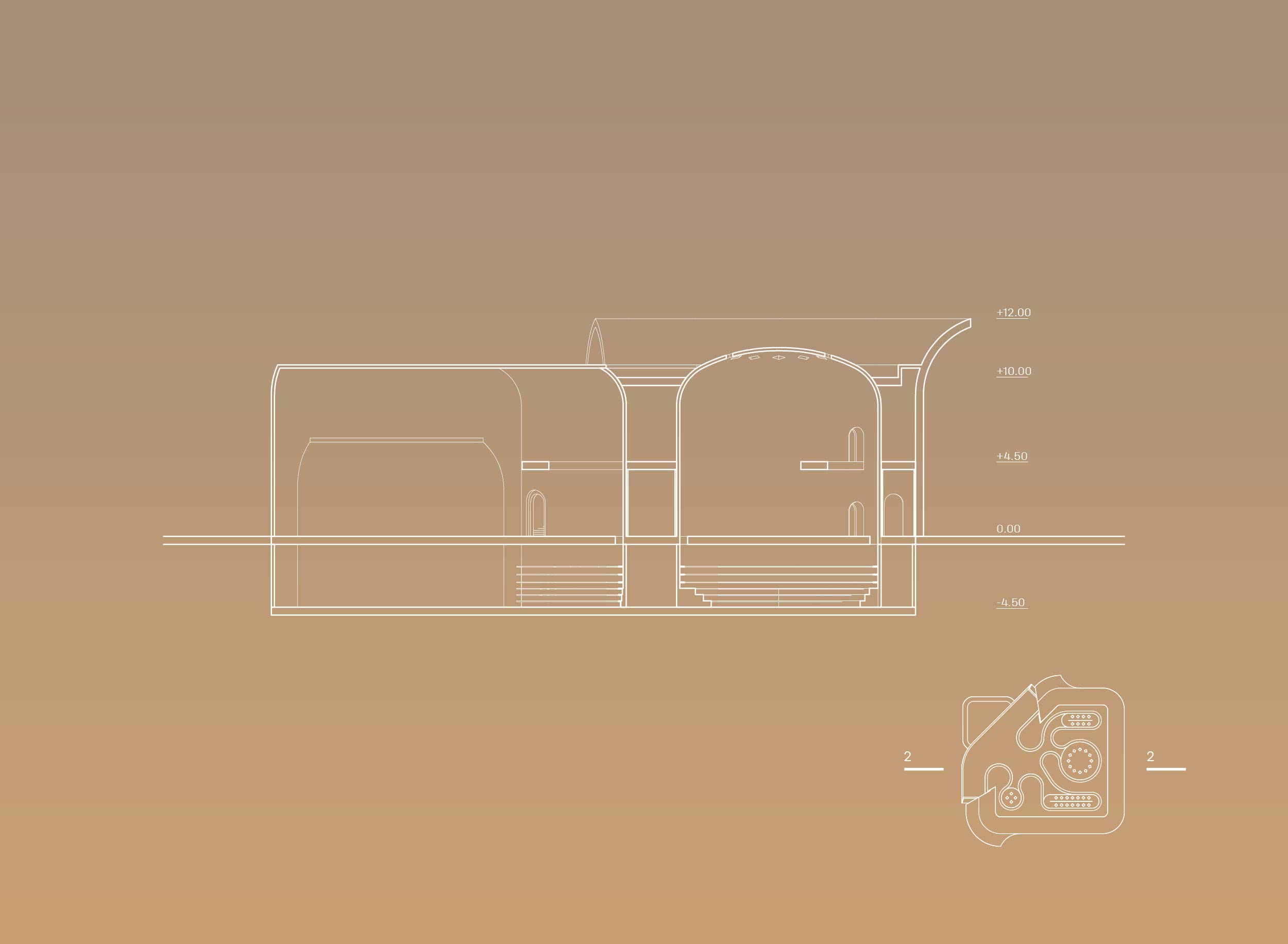
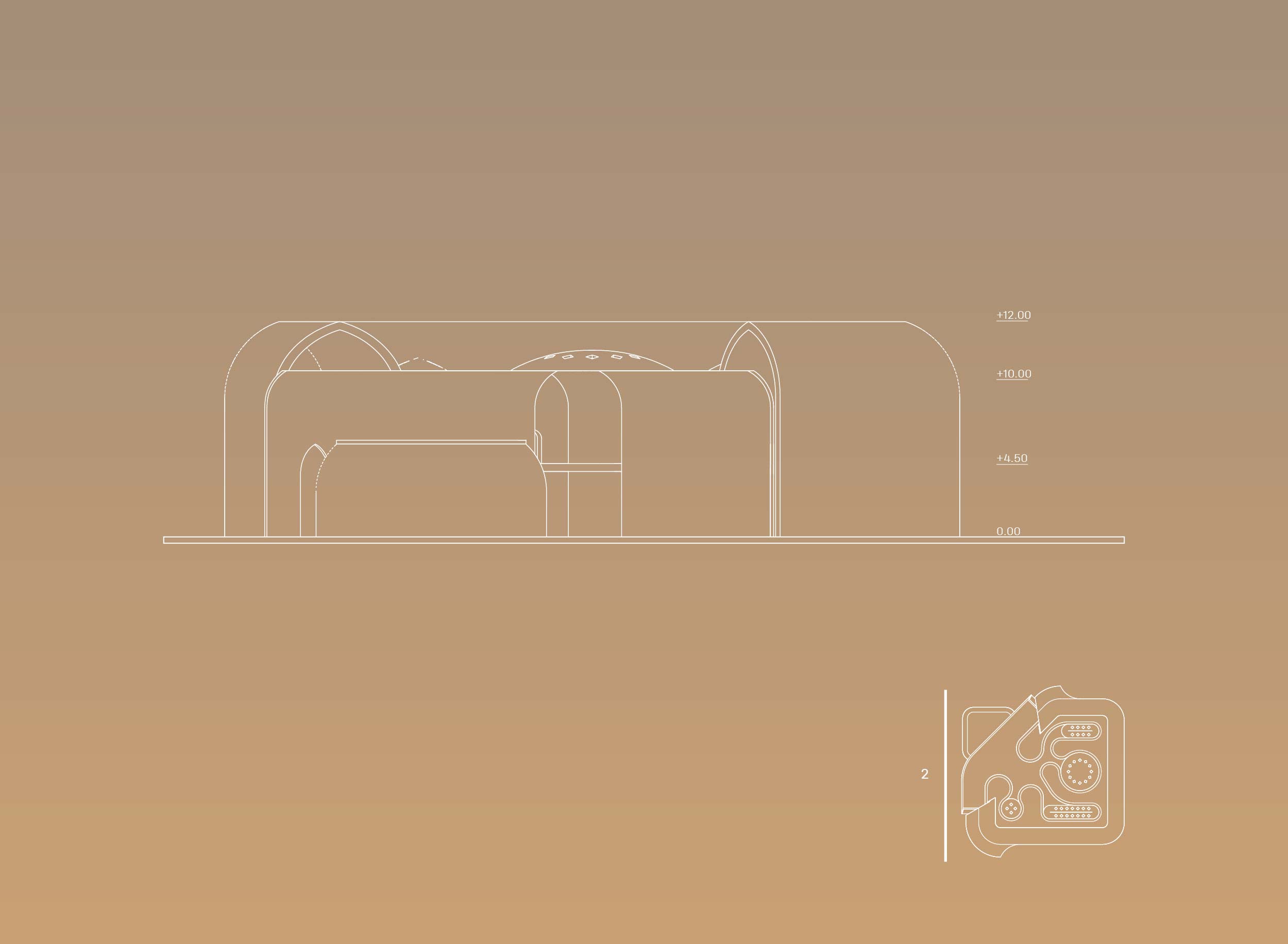
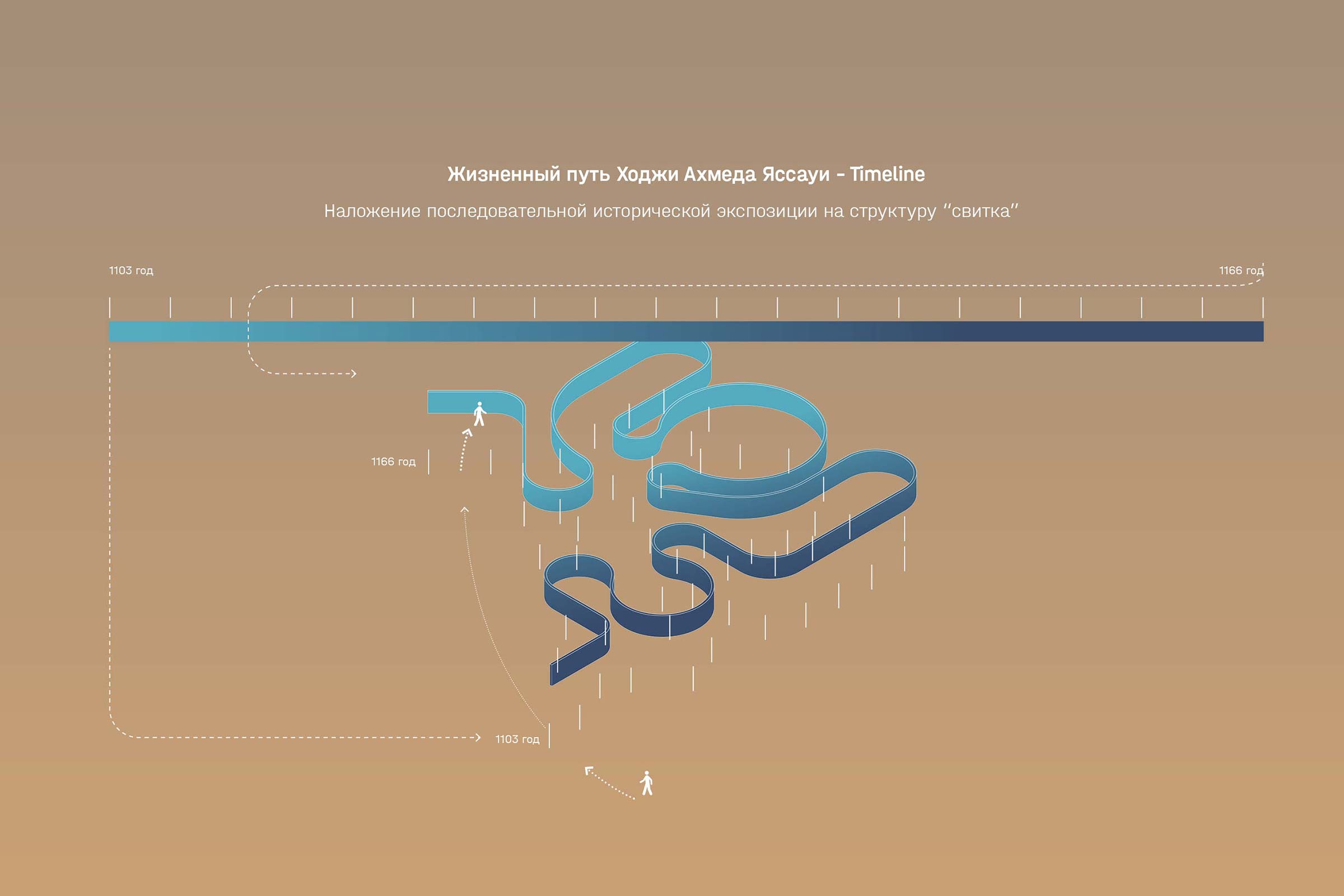
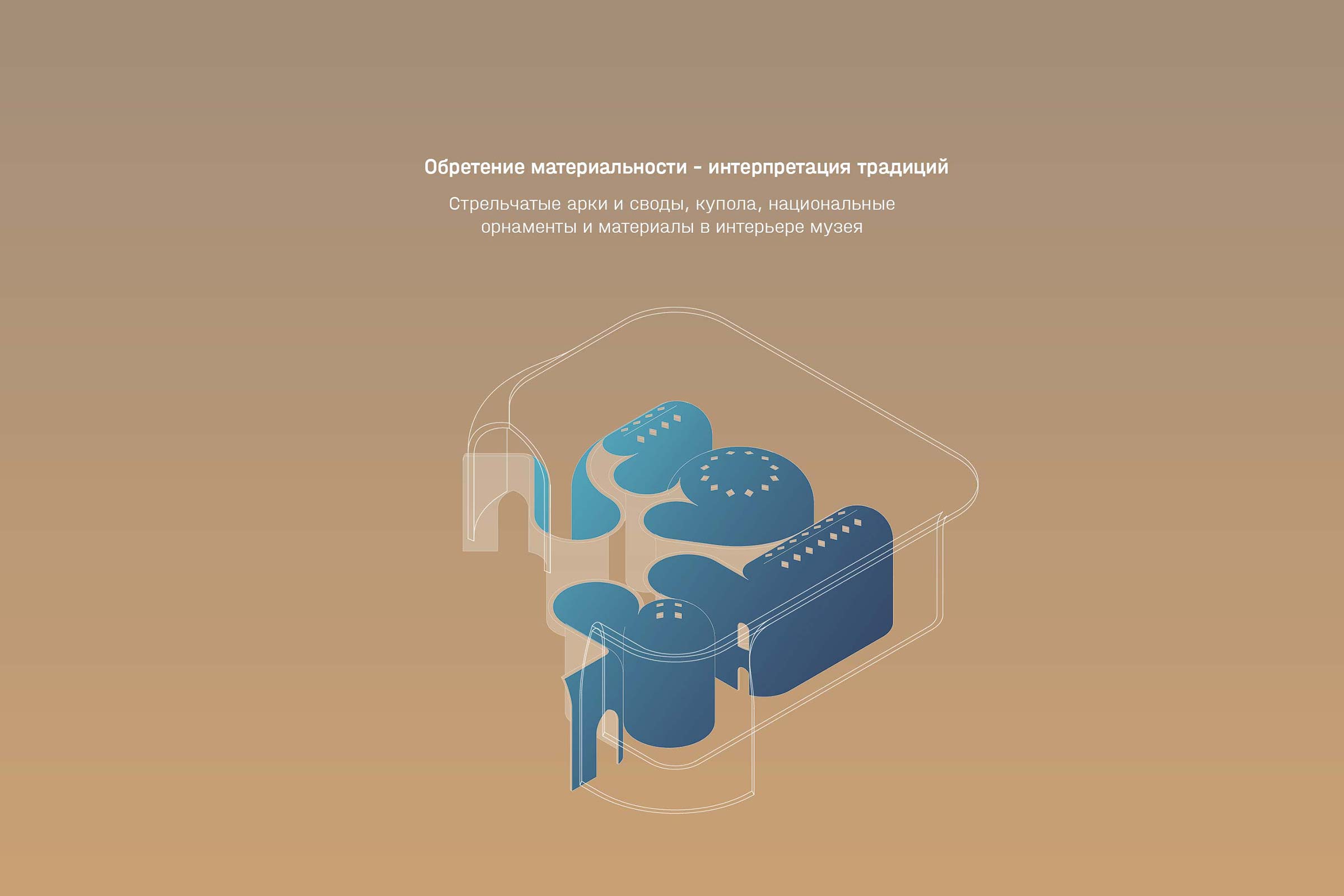
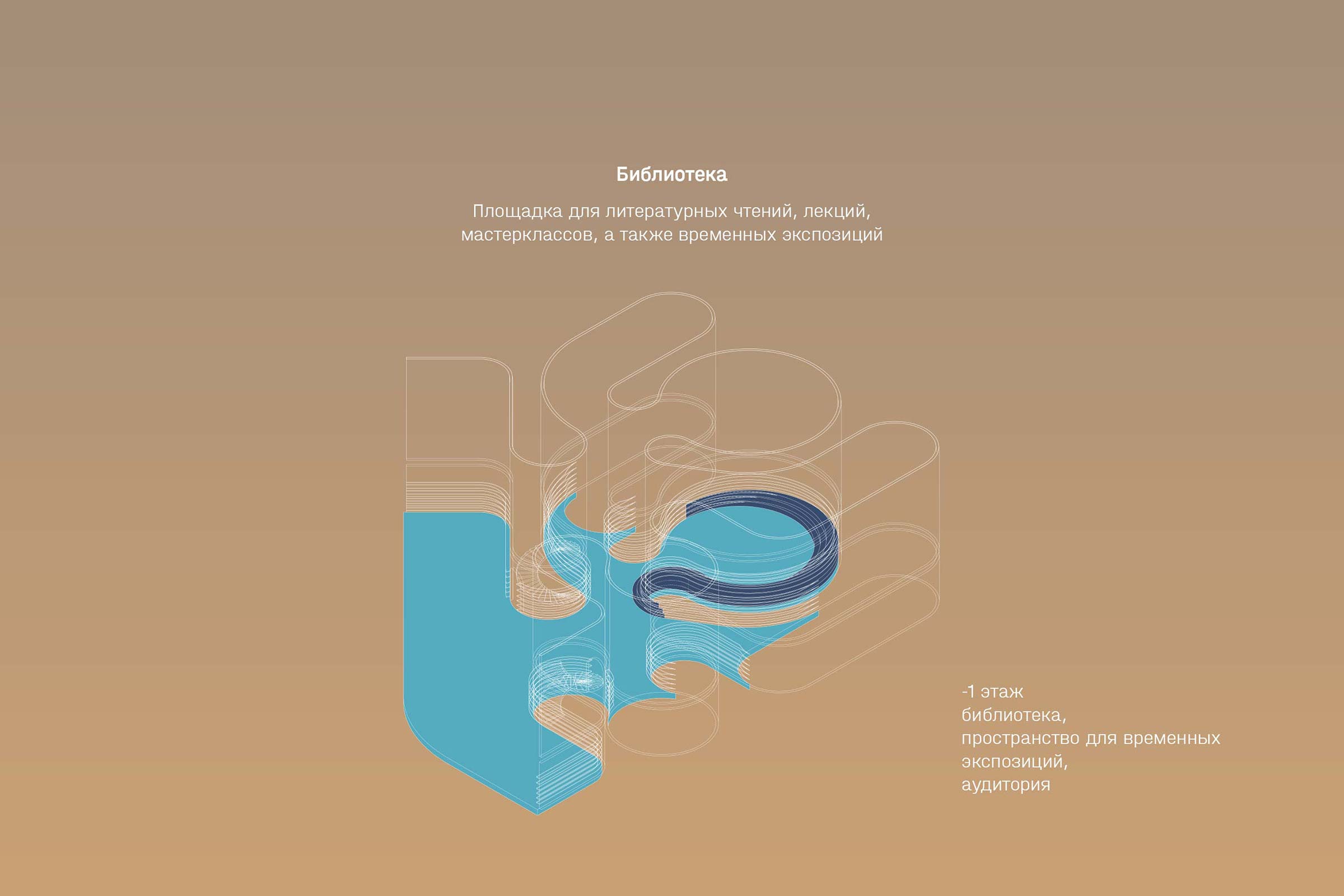
The spatial and planning structure of the museum is based on the idea of an unfurled Scroll, unfolding in sequence the story of Khoja Ahmed Yasawi’s life, as well as his cultural, literary and educational activity. A long, winding wall, shaping a series of interlinked galleries, serves both as the framework for the exhibition and as the principal structural element of the building as a whole. Moving through the exhibition, visitors will constantly pass from the narrow streets of the medieval city into the interiors of mosques and madrasas, emerge into a square, walk along balconies and descend into an underground library.
The museum’s accessibility, openness and contemporary relevance are further enhanced by such modern formats as interactive and multimedia exhibitions, an open library with an auditorium, and mini-cinemas.
idea

drawings