ambitious and landmark projects

ATRIUM Architectural Studio believes that every medium-scale planning unit, such as a district, should have its own landmark. An iconic building can appear in every quarter, and from our point of view, this would not be excessive. Any building can take on this role, but the hierarchy and placement of structures should ideally be defined from the very beginning, at the urban planning stage.
A good building can be appreciated from a distance — through its silhouette, its image and the way it works within the city. But truly strong architecture reveals itself up close: in the route, in the details, in the feeling of space, when all levels of perception do not conflict with one another, but come together into one clear logic.
new symbols of place


Neskuchny Home & Spa Multifunctional Residential Complex
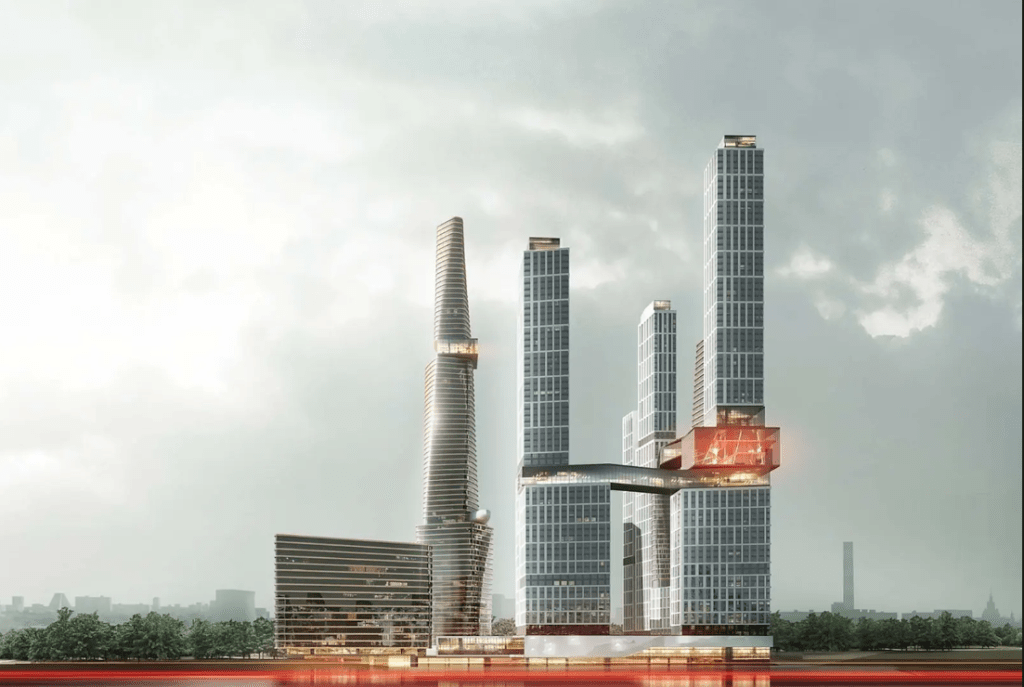
One of the key challenges of contemporary urban development is creating a comfortable residential environment under conditions of high density. This was the task faced by the architects when designing the Neskuchny Home & Spa Multifunctional Residential Complex, located at the intersection of the city’s major transport arteries. The new residential complex was intended to become the tallest residential complex in Europe and integrate harmoniously into the city’s visual landscape.
The high-rise composition, integrated into one of Moscow’s transport hubs, is focused on creating a rich infrastructure in the vertical dimension. Public spaces raised to a height of 150 metres, terraced volumes and differentiated building heights together form a new typology of urban life, where verticality becomes not a compromise, but an asset.


Urban Planning Concept for the Former ZIM Plant Site in Samara
Urban planning concept for the former Maslennikov Plant site in Samara reveals the potential of one of the city’s most significant locations — a site of around 50 hectares in the geometric centre of Samara, on the Volga riverbank, with panoramic views of the historic centre and the Zhiguli Gates. The project treats the territory as a new large-scale urban fragment: it extends the embankment, creates a new access point to the water, and connects the site with the historic centre, Zagorodny Park, key public routes and the city’s transport structure.
The main idea of the masterplan is based on the image of the Volga as a prototype for the urban structure. The “river” becomes a system of park infrastructure, public spaces and walking routes, while the “islands” become quarters of contemporary residential development with different typologies, scales and life scenarios.

The National Centre “Russia
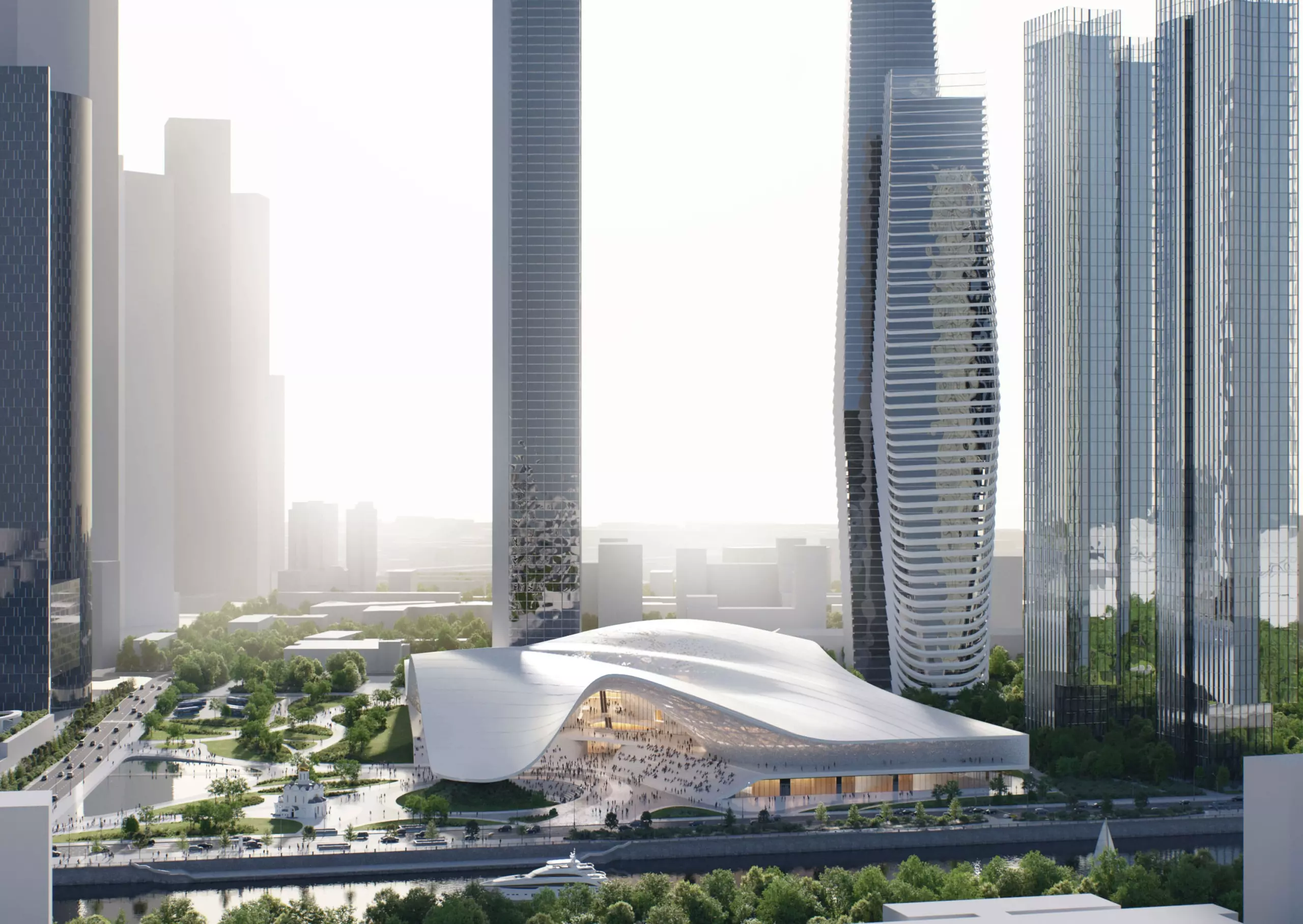
The National Centre “Russia” is conceived as one of Moscow’s main new public spaces and a future architectural symbol of the entire country.
Construction of the National Centre “Russia” has begun on the site of the former Expocentre on Krasnopresnenskaya Embankment. With a total area of around 205,000 square metres, the complex will be able to accommodate up to 19,000 visitors at a time. It will include exhibition spaces, a transformable concert hall, media and press centres, areas for business communication and networking, and a wide range of public spaces.


Urban Planning Concept in Abu Dhabi
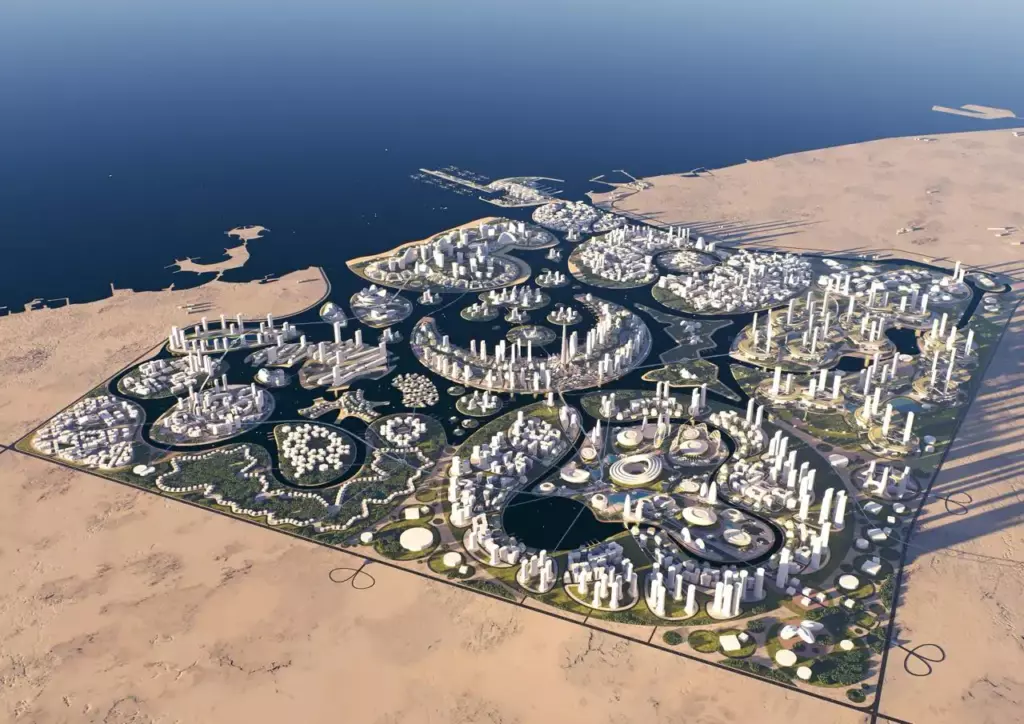
The architects were faced with an ambitious task: to create a fundamentally new urban model for a diverse target audience — from digital creators and technology entrepreneurs to investors, scientists and those seeking a high quality of life. The scale of the challenge was defined by several factors. First, it was necessary to design a complete urban ecosystem with advanced infrastructure on a 5,000-hectare site, intended for 592,000 residents — a scale comparable to entire metropolises such as Barcelona or Dubai. Second, the city had to maintain a balance between a distinctive Arab cultural identity and advanced technologies, responding to the changing conditions of the contemporary world.
The answer to these challenges was the concept of an open urban system — Open-Code Urbanism — where each resident can programme their own life scenario. In other words, the city is conceived as a multilayered adaptive interface for living, working, creating, investing and development.


news
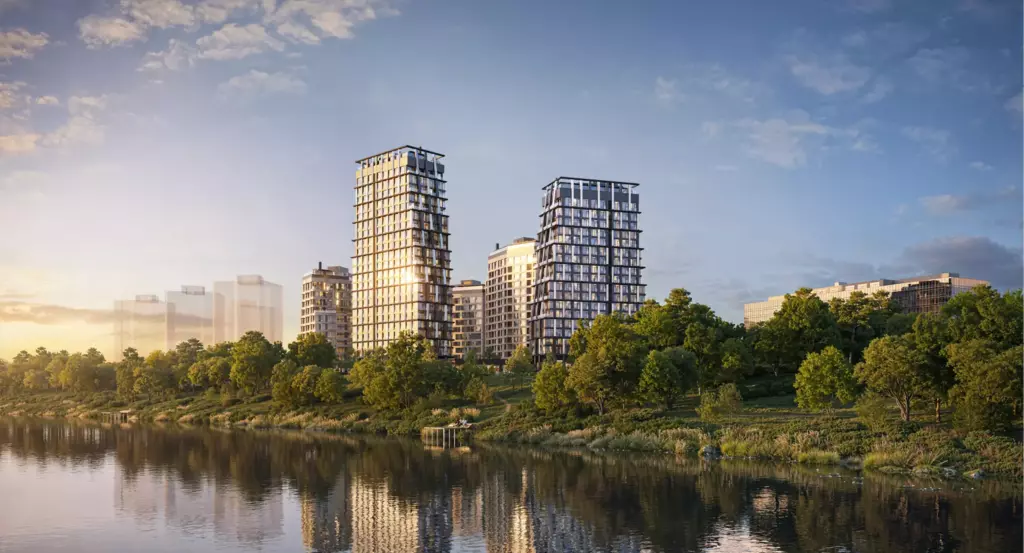
Ostrov named Best Business-Class Project in the International REPA 2026
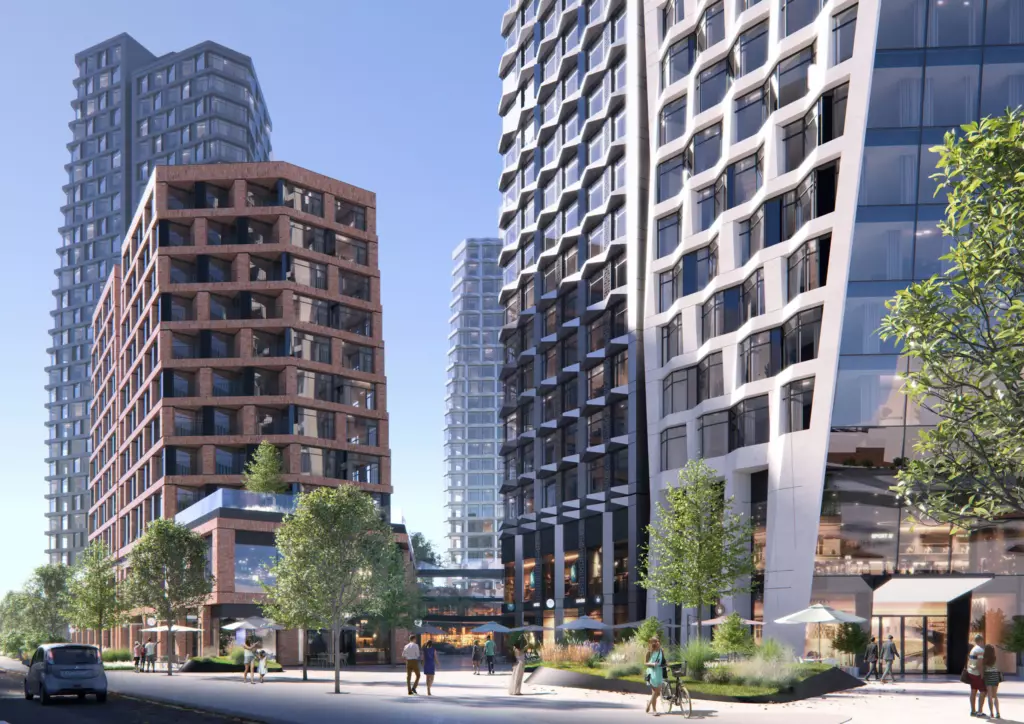
Manery residential complex wins Urban Awards
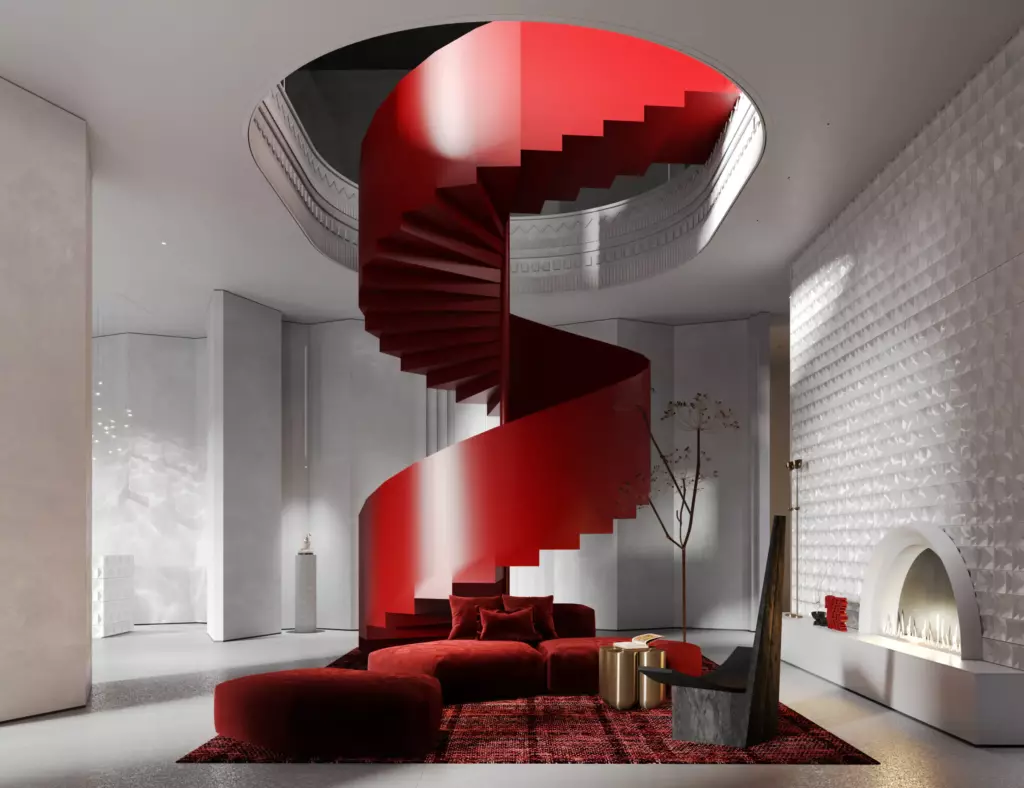
The interiors of Uzory club house win the Archpoint Concept Awards 2026
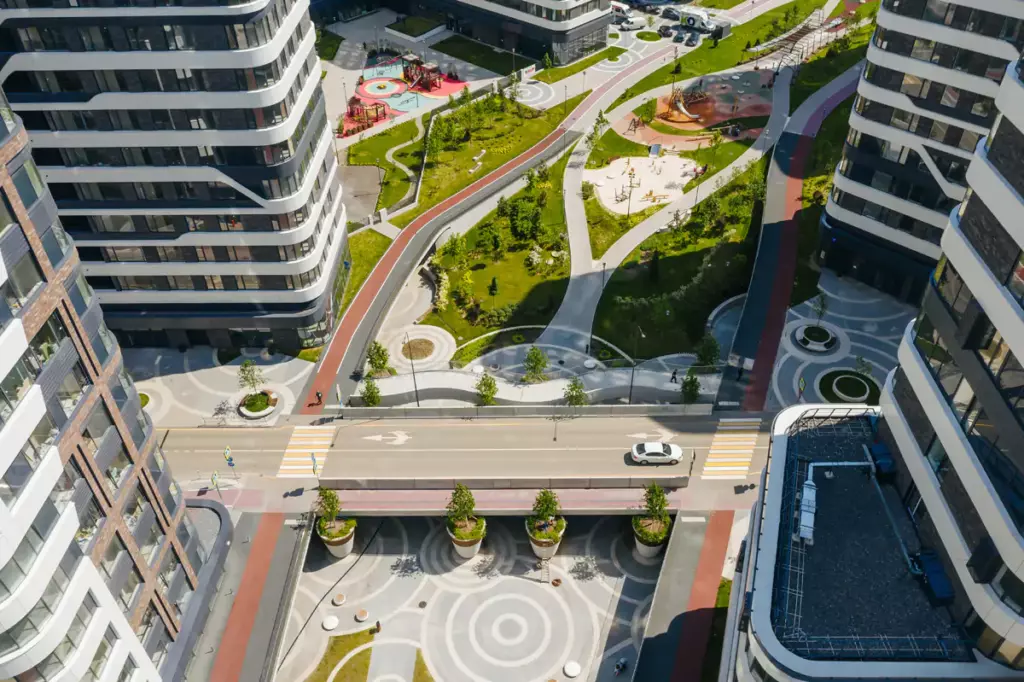
Green River Park in the Symbol Residential Complex