creating inspiring spaces:
from interiors to cities
For three decades, we have designed spaces of different types and scales, always following the principle of a coherent architectural concept — from the initial idea to the details of implementation.
As a full-cycle architectural practice, we create layered environments that can shape new patterns of life and become part of the ongoing development of territories. We see each project as a system of relationships — between place and time, people and the city, function and form.
an integrated approach


Symbol
Residential District
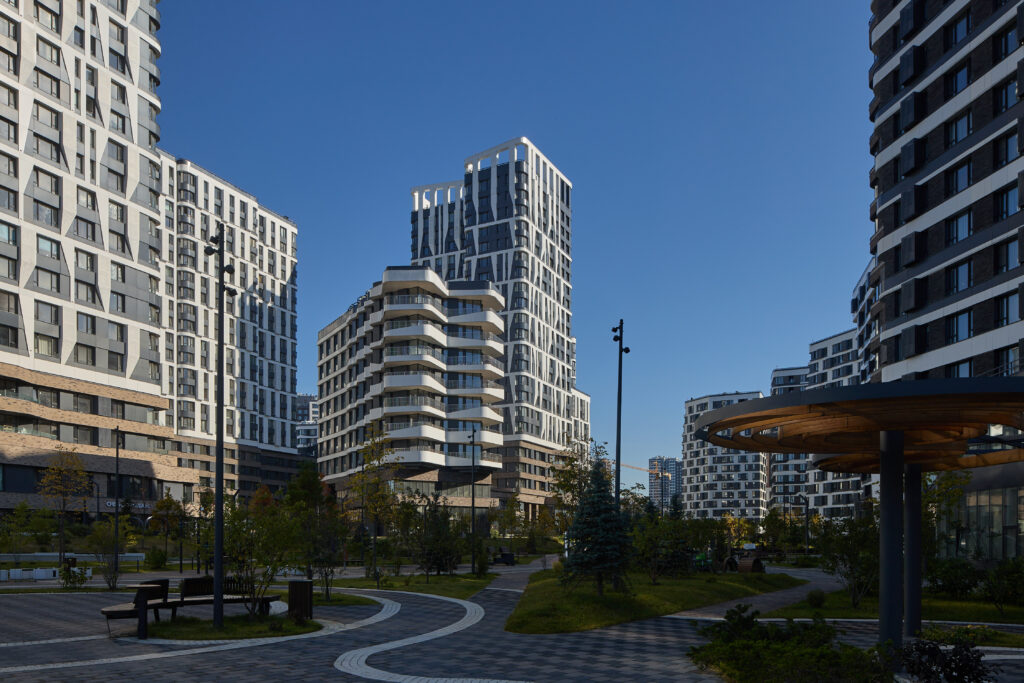
One of the clearest examples of ATRIUM’s integrated approach is Symbol residential district on the site of the former Serp i Molot plant in Moscow. More than ten years of interdisciplinary work by architects, urban planners and designers have transformed an industrial site into a complete urban environment with new cultural and public destinations.
The architectural strategy is based on morphological coherence, connected public spaces and the integration of infrastructure into the residential fabric. From the volumetric composition and facade rhythm to the lobbies, pedestrian routes and vehicular-pedestrian bridge across the park, each element was designed as part of a future-oriented urban ecosystem.


Primavera Club City
on the River
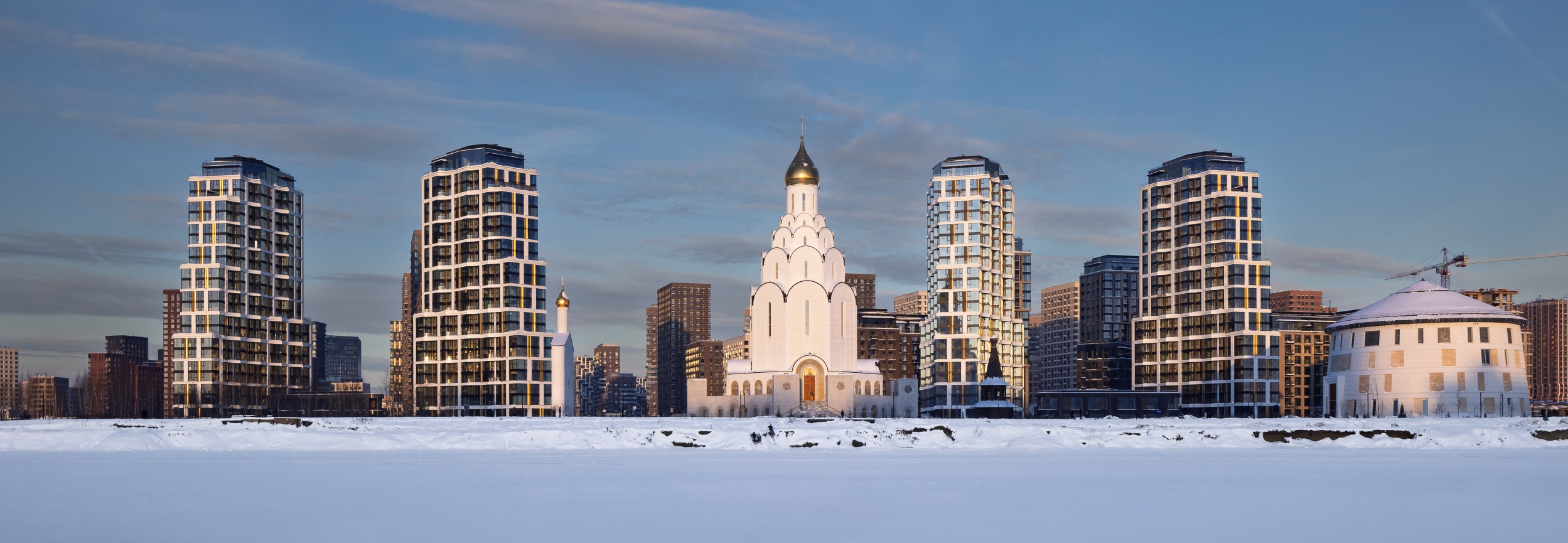
On a 12-hectare site of the former Tushino airfield, a new district is now being developed along the Strogino floodplain. The scale of the development and its proximity to the water defined an integrated approach to the project. The new quarters connect the existing urban fabric deeper within the district with the park running along the embankment, forming a coherent ensemble with the Church of Saint Vladimir Equal-to-the-Apostles located there.
The architectural idea of Primavera Club City on the River refers to European seaside towns. It creates the impression of a district that has grown gradually over time, as in small Italian coastal towns or on the French Riviera.


Ostrov
Residential District
For a long time, the Mnevniki floodplain remained a blank spot on the city map — a protected lagoon within the metropolis, enclosed by a bend of the Moscow River.
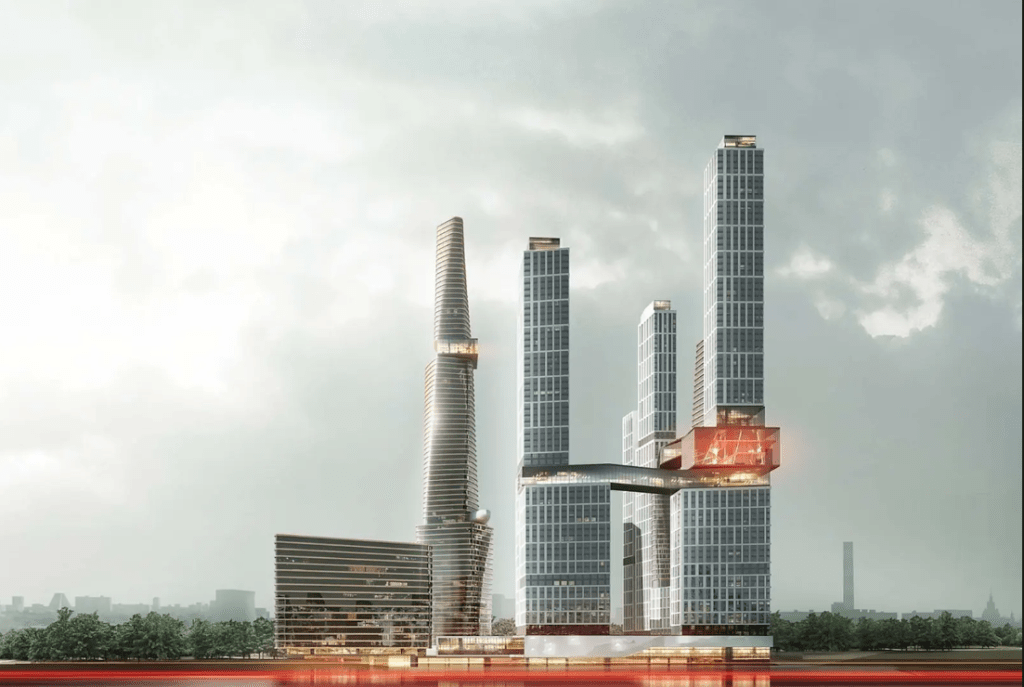
In designing Ostrov, we started from the nature of the place itself. The river became the main urban planning vector and largely shaped the architectural logic of the project. The quarter is conceived as a permeable structure, where the presence of water is felt at every point: in the gaps between the buildings, in the panoramic axes and in the reflective planes of the facades. Through entrance lobbies make the route from the courtyard to the riverbank natural and seamless.




news
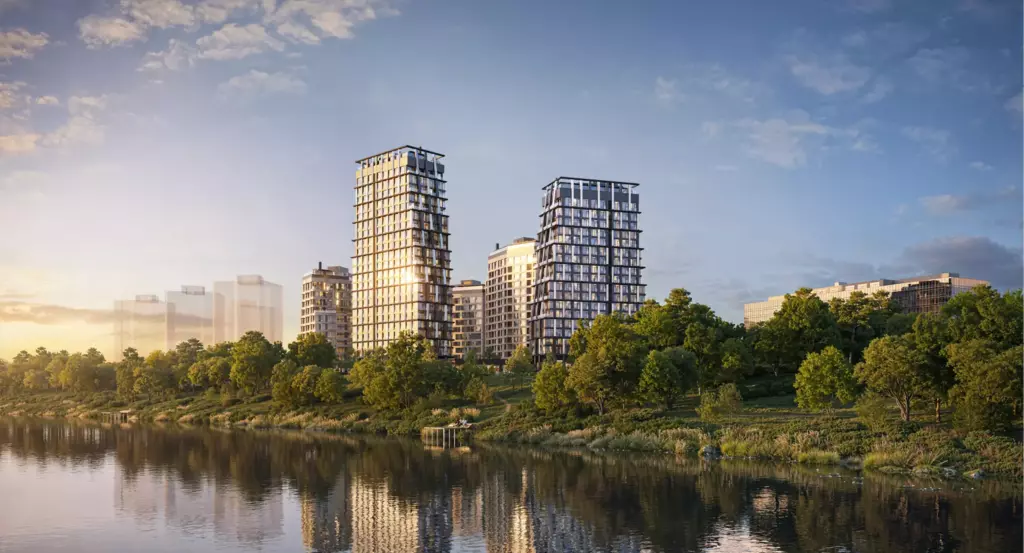
Ostrov named Best Business-Class Project in the International REPA 2026
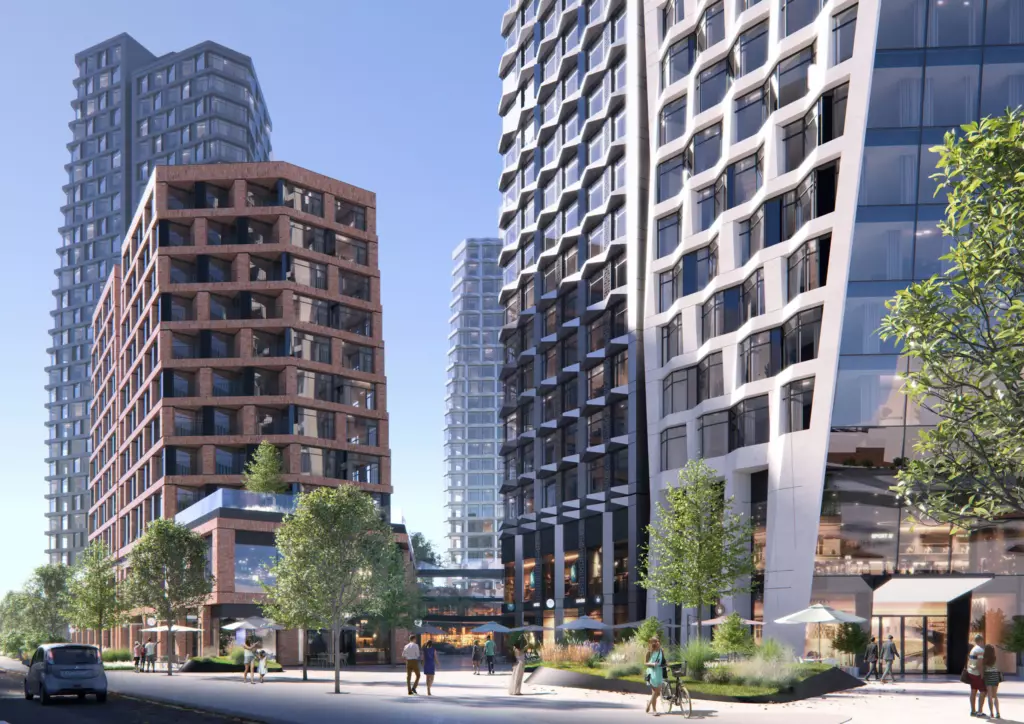
Manery residential complex wins Urban Awards
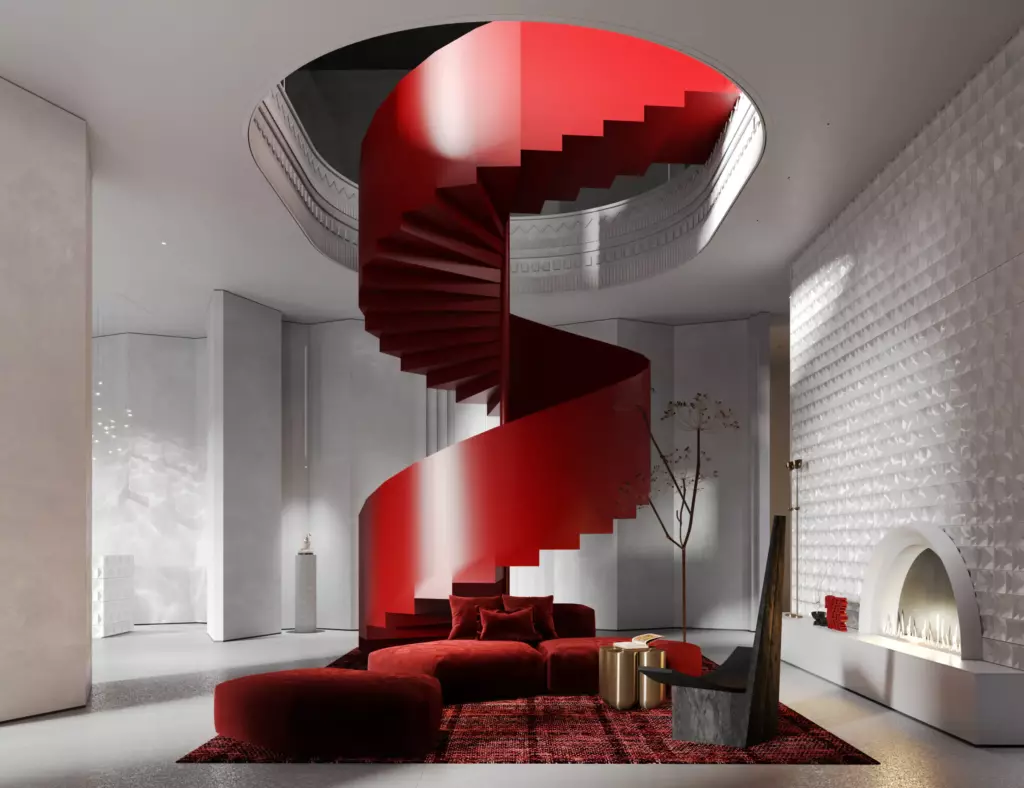
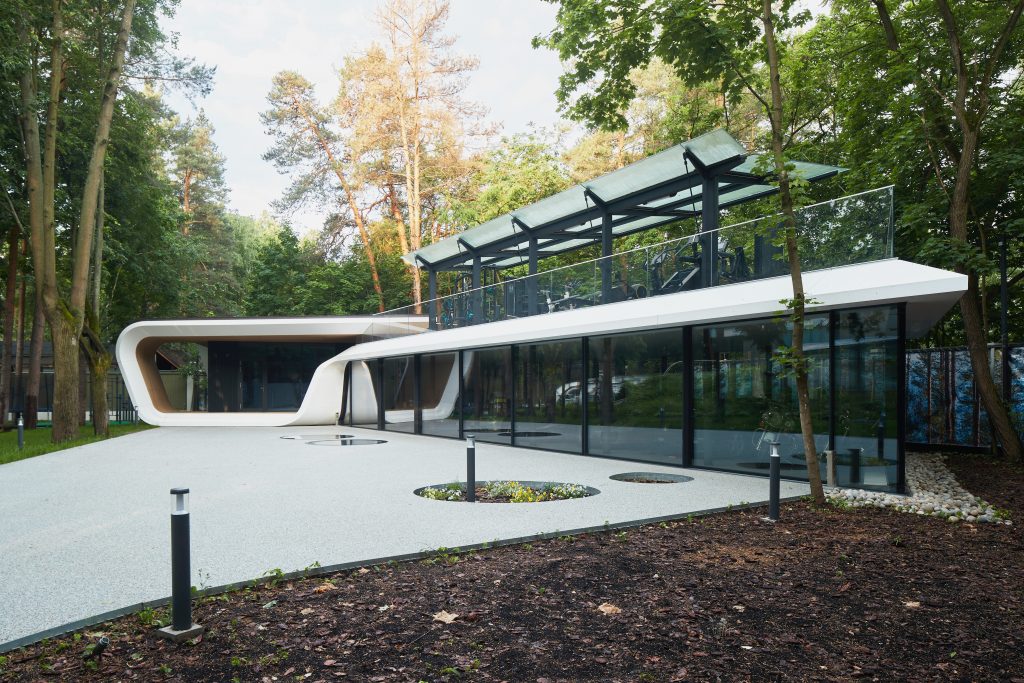
The interiors of Uzory club house win the Archpoint Concept Awards 2026
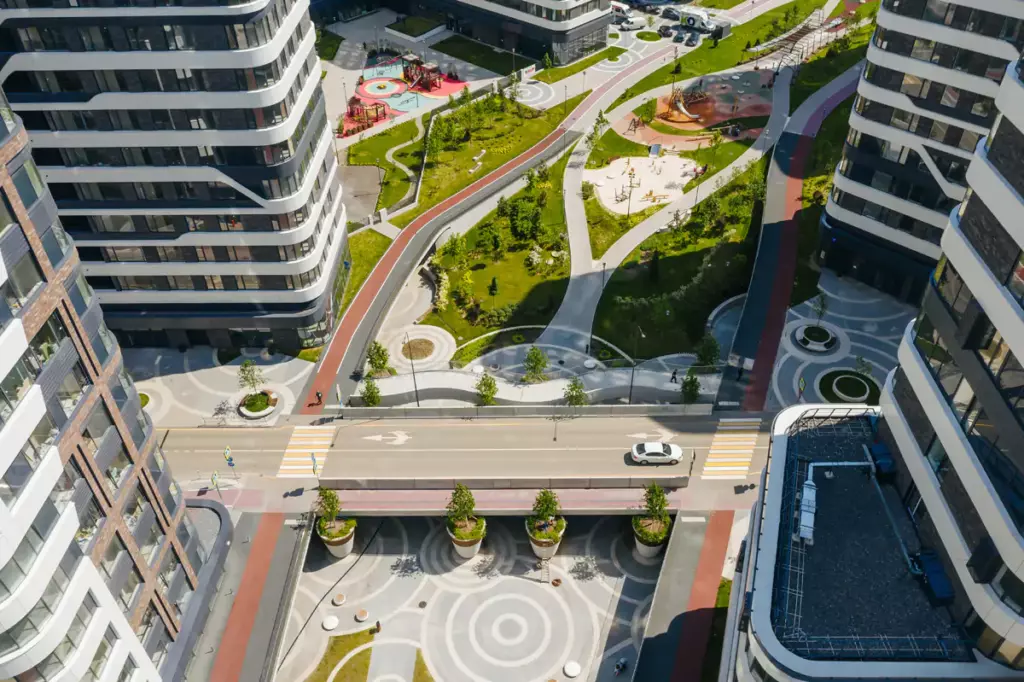
Green River Park in the Symbol Residential Complex
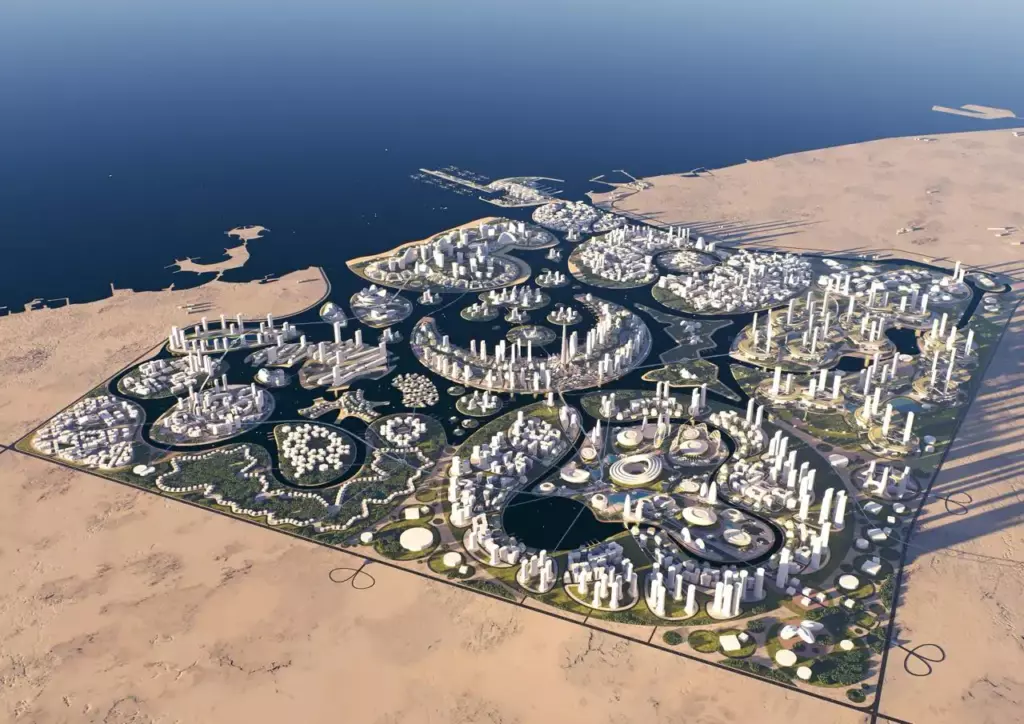
The Masterplan for the New City of Zahra’a Al-Falak in Abu Dhabi Wins the Project Russia 2026 Award
новости
Ostrov named Best Business-Class Project in the International REPA 2026
Manery residential complex wins Urban Awards
The interiors of Uzory club house win the Archpoint Concept Awards 2026
Green River Park in the Symbol Residential Complex