architecture of the future
in dialogue with local identity
ATRIUM Architectural Studio has developed projects in six countries and dozens of cities, each located within different geographical, cultural and social contexts. For every place, the studio selected its own design strategy based on local characteristics. Through technologies, planning solutions and stylistic directions, ATRIUM brought global trends into its projects.
ATRIUM does not use literal images, symbols or local materials. Instead, the studio transforms them into new interpretations, perceived at the level of associations.
glocal approach
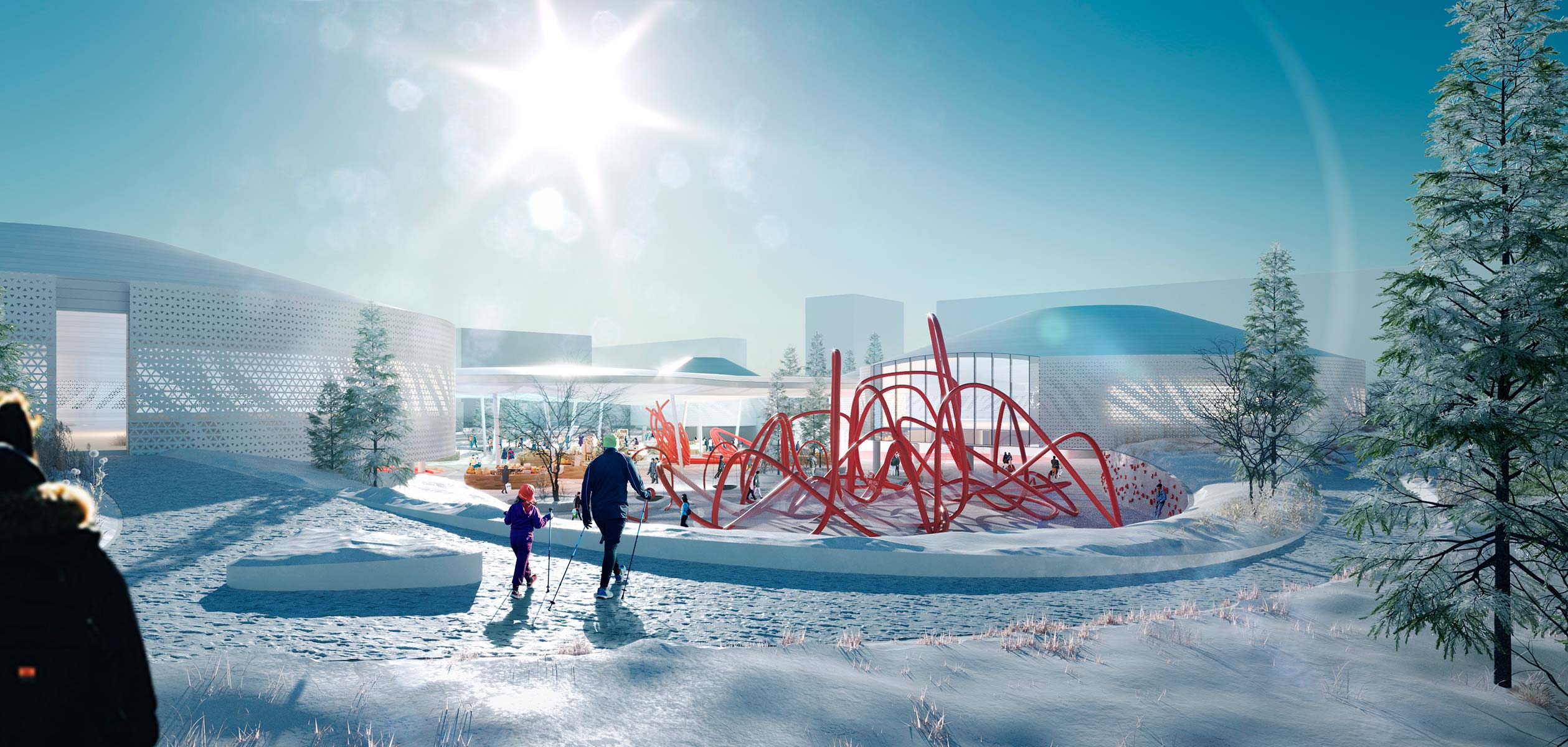
Future Generations Park in Yakutsk
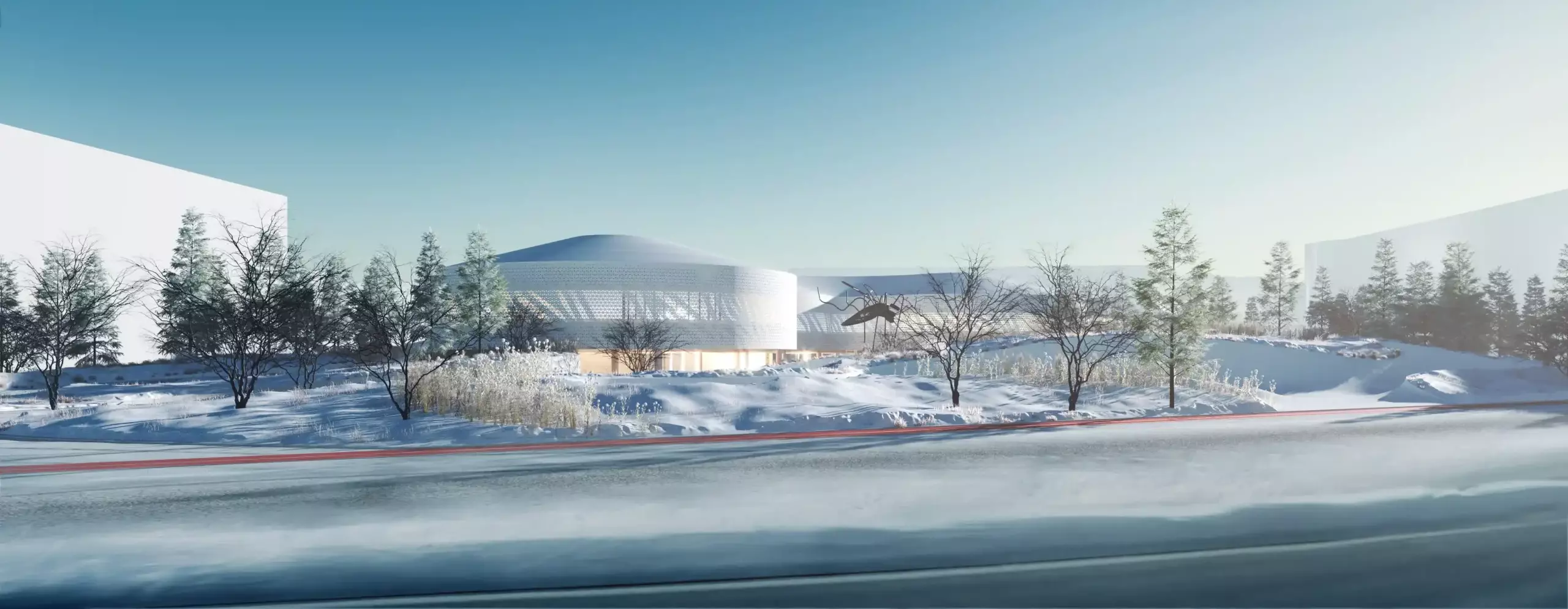
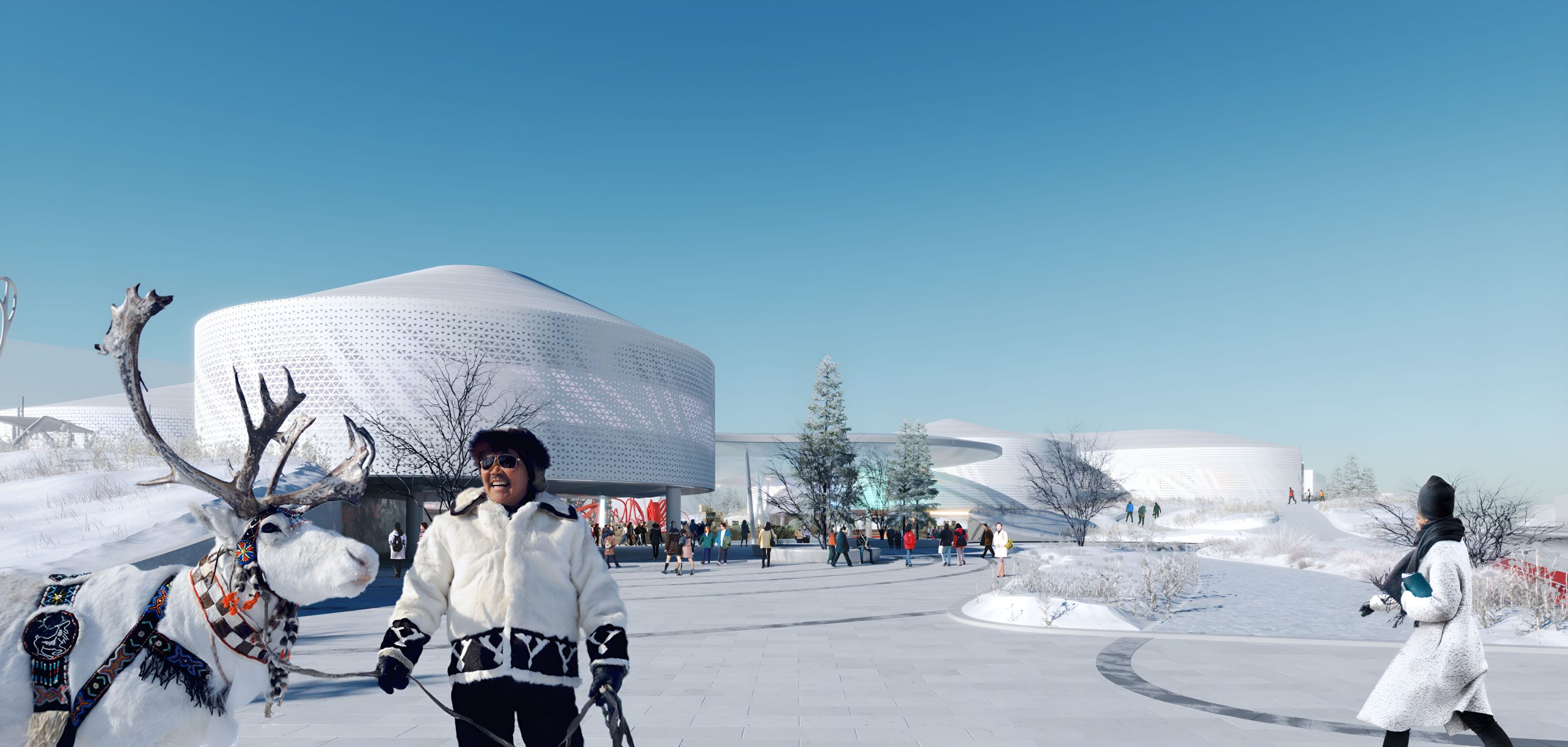
Future Generations Park in Yakutsk is a public space located in the very centre of Yakutsk. The project responds to the question of what urban public spaces should be like in conditions of permafrost and a severe climate.
The volumetric and spatial concept is based on the reflection of the Yakut landscape and national cultural identity. The architectural concept creates a contemporary dynamic image, shaped through a rethinking of the ancient Yakut epic, cultural imagery and ornament.
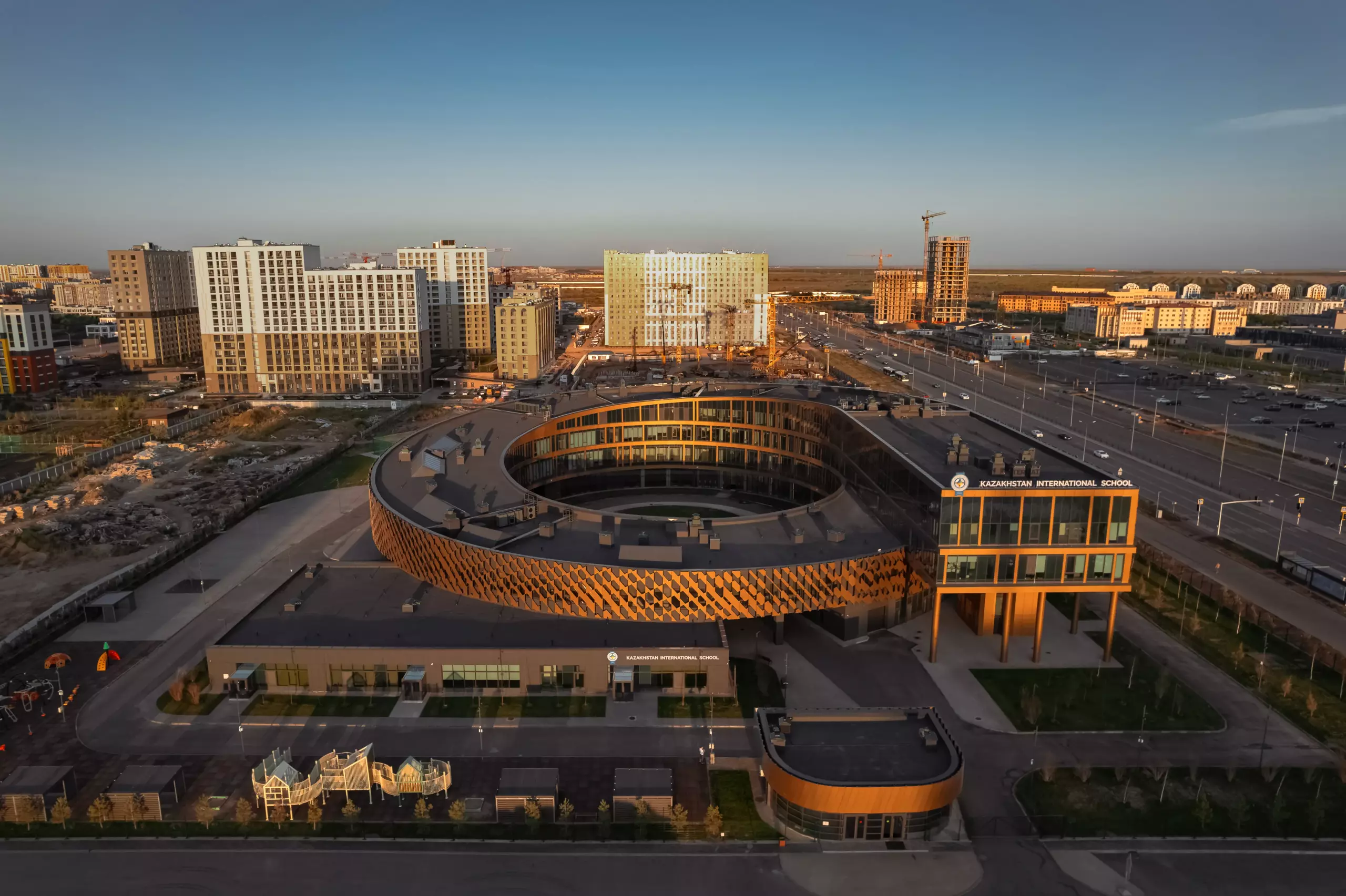
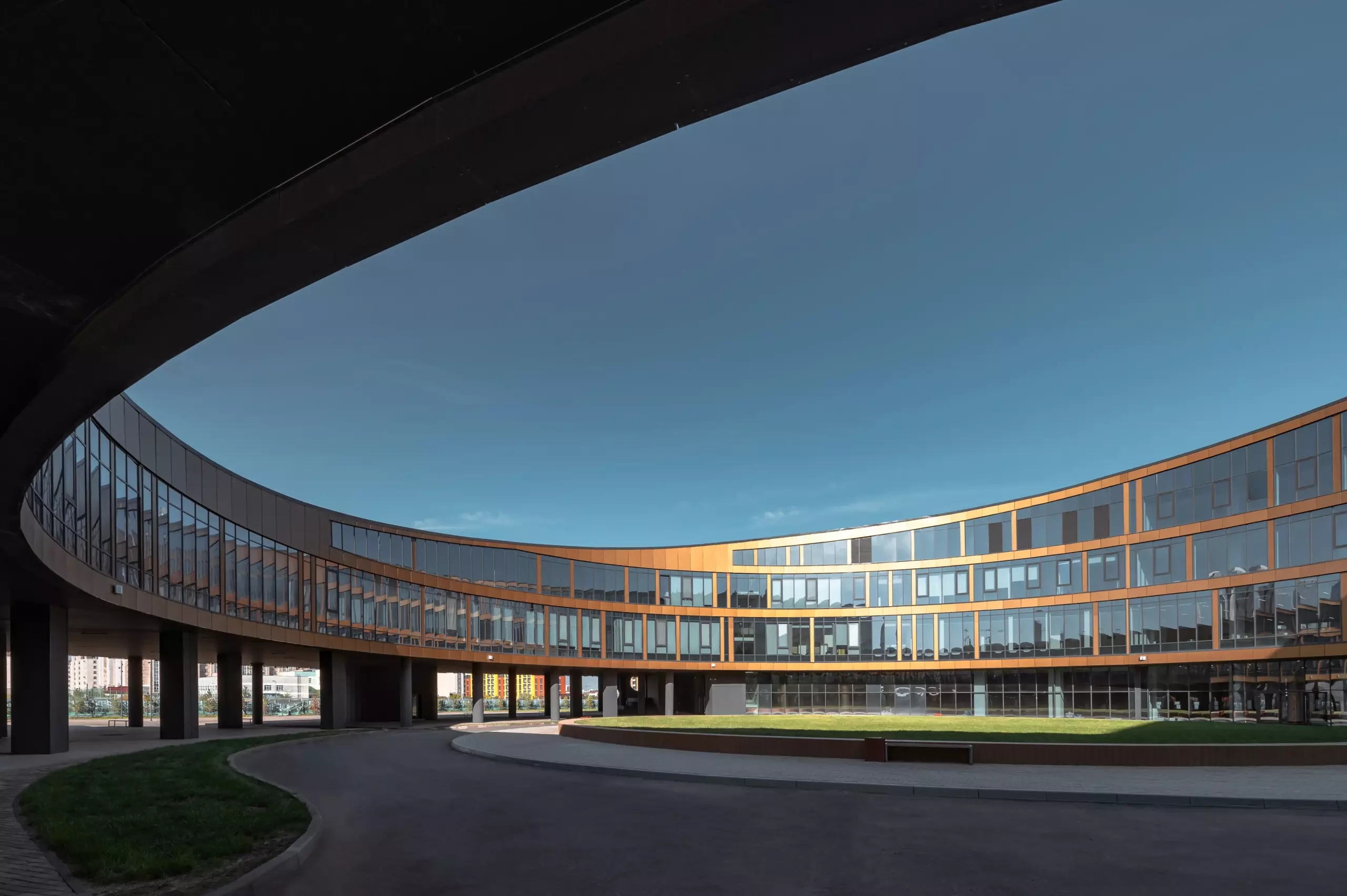
Educational Complex in Astana
The aesthetic of the new educational complex in Astana is directly connected to the traditions of local Kazakh culture, while the spatial structure of the complex is based on the principles of Vastu, symbolising movement and development.
The building facade features a pattern composed of local ornaments and symbols. Each element was individually designed by ATRIUM using parametric technologies. Reinterpreted traditional patterns are also used in the school interiors.
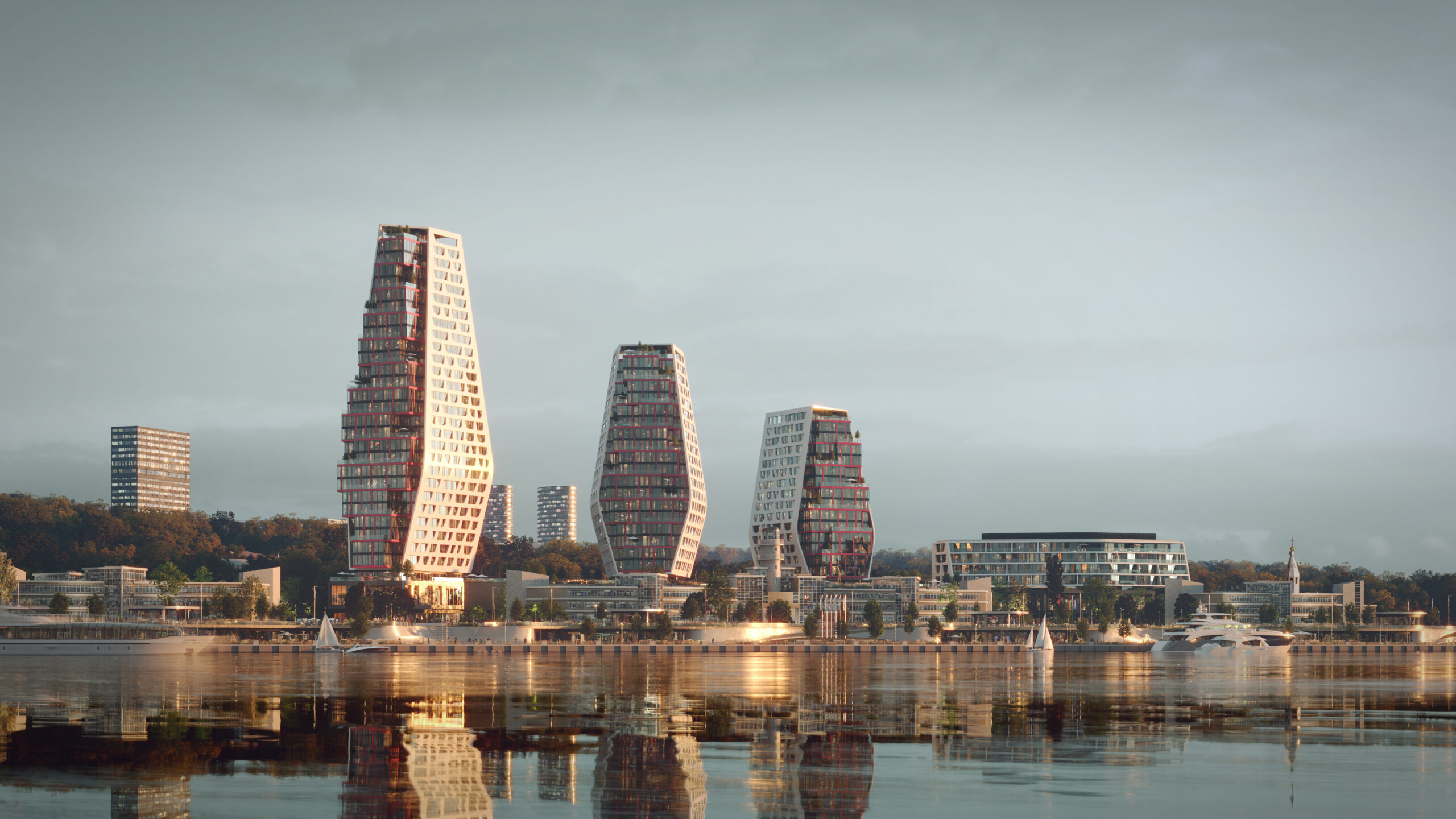
River Port and Urban Embankment in Cheboksary
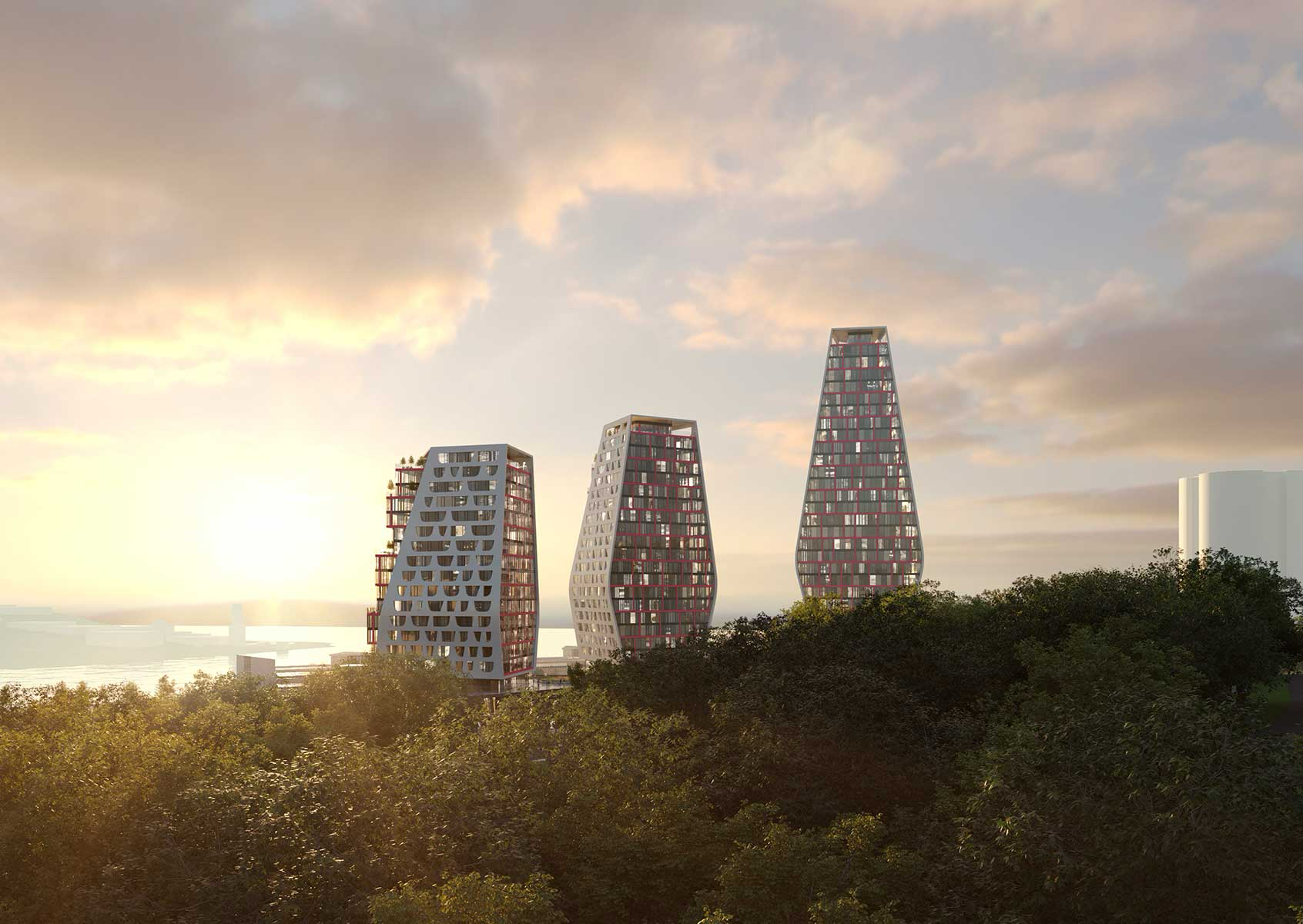
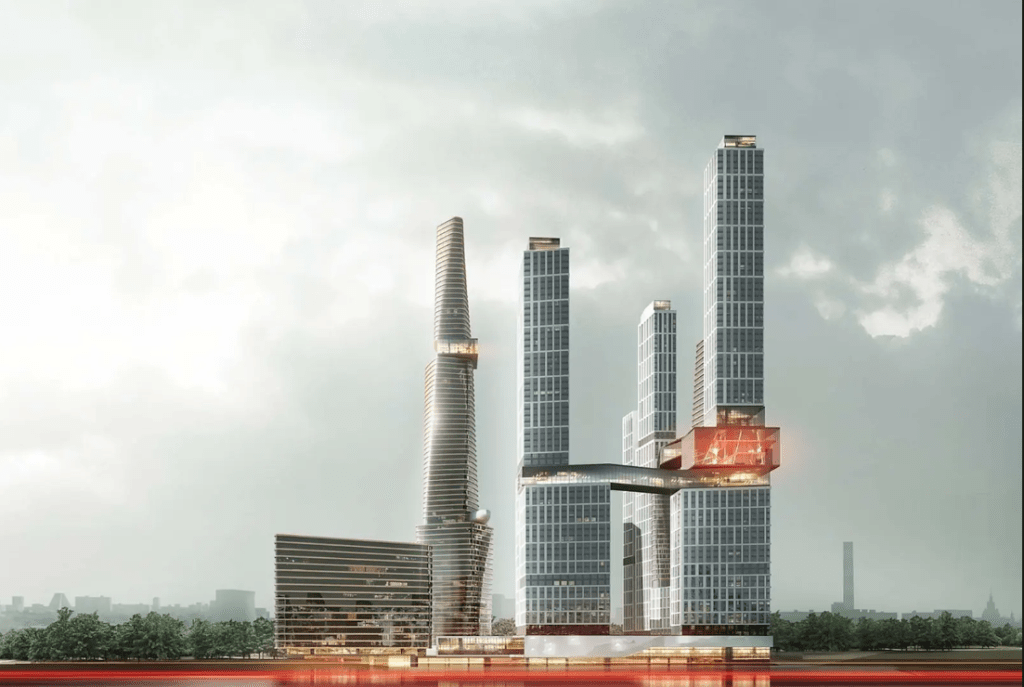
The mixed-use complex on the main embankment in Cheboksary, the capital of Chuvashia, is conceived as a new symbol of the city. Its recognisable and distinctly contemporary architecture draws on images and symbols from local cultural traditions and actively reinterprets their visual language.
The facade pattern is informed by the red-and-white diamond-shaped ornaments often found in Chuvash national costume. The dynamic image of the towers is based on the khushpu — a traditional women’s pyramidal headdress decorated with silver coins.
Green Pedestrian Bridge in Almaty
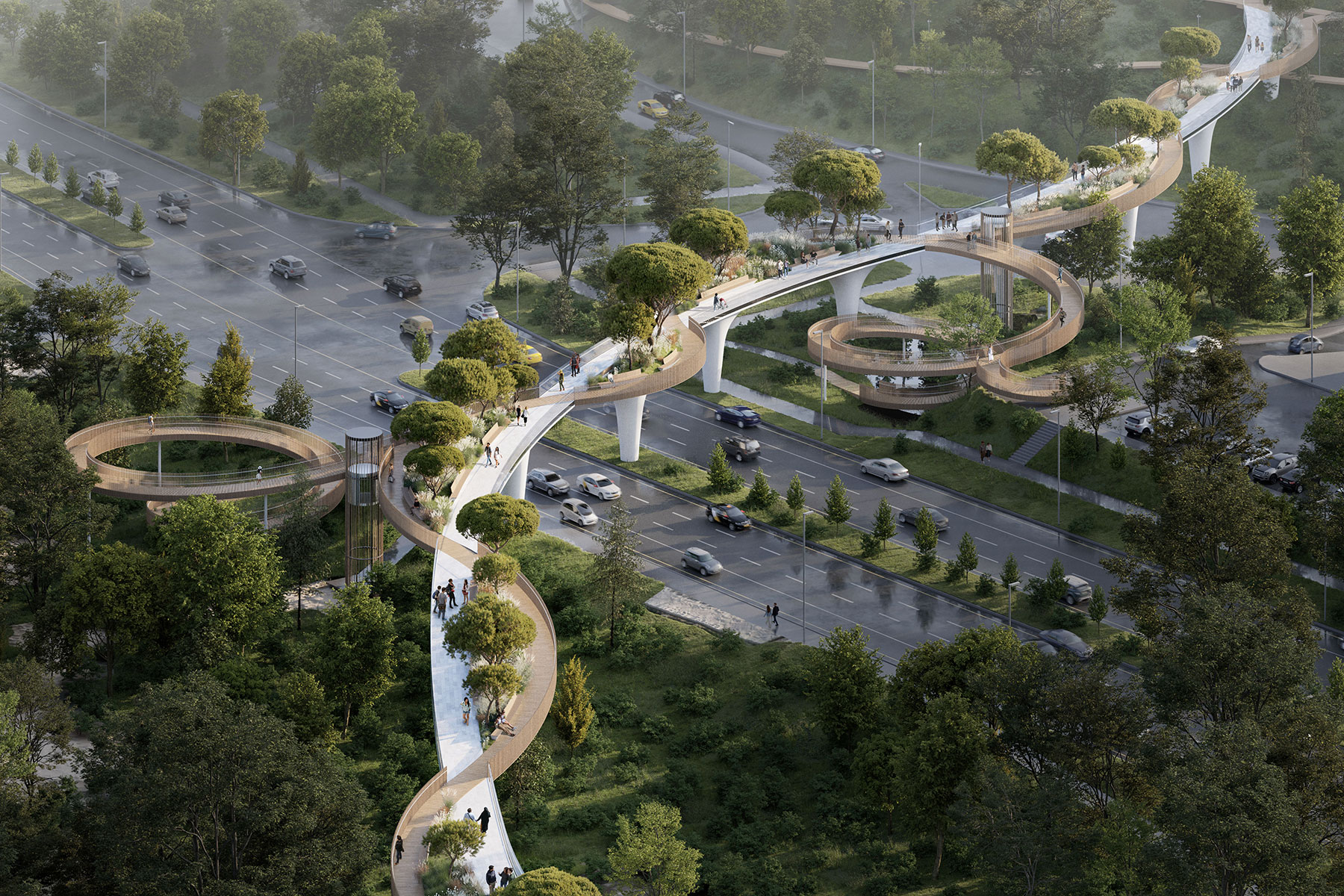
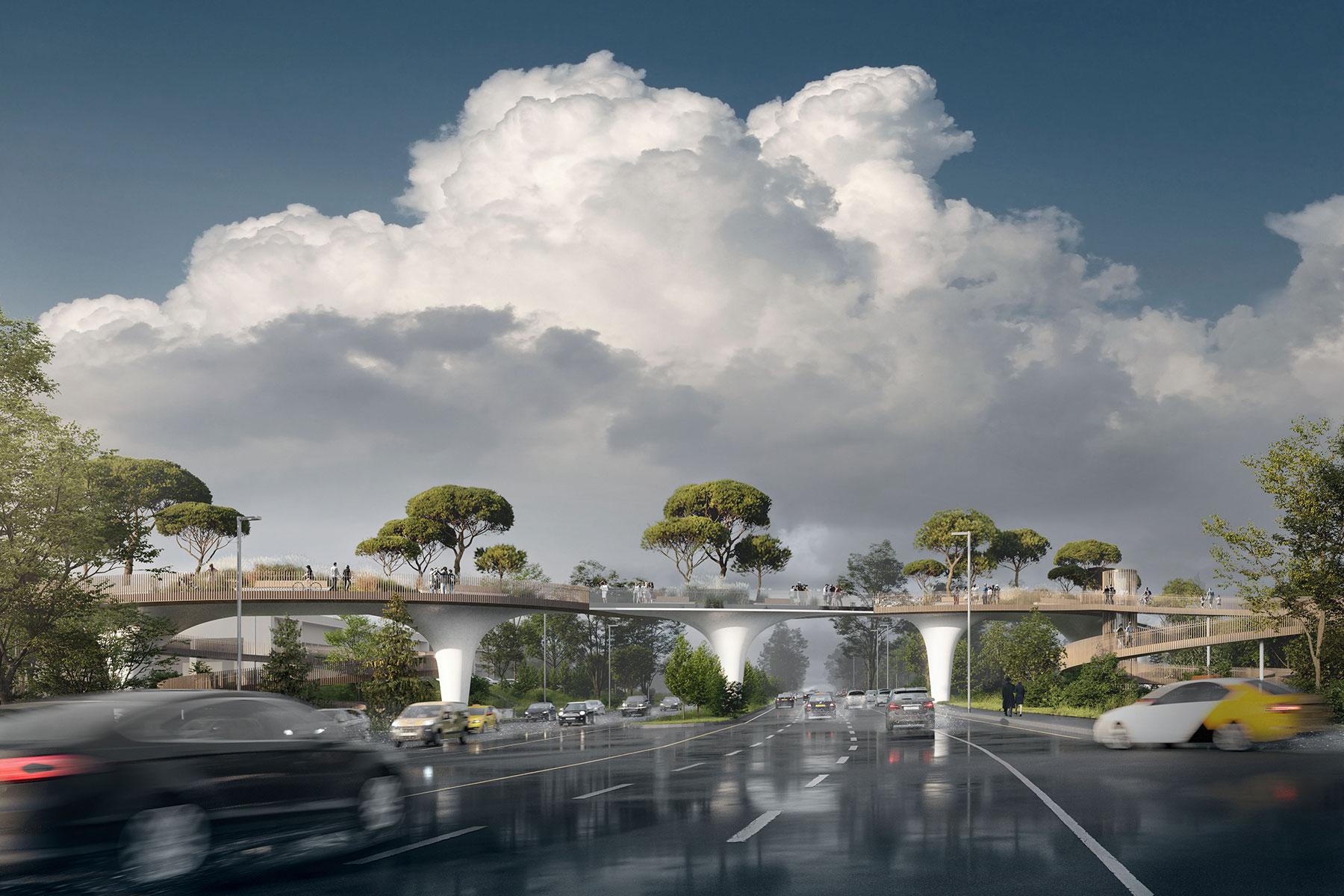
In the Green Pedestrian Bridge-Park in Almaty, we set out to rethink the bridge as a type, treating it not only as a piece of transit infrastructure but also as a natural and recreational environment. The project is conceived as a symbol of Almaty’s development as an innovative and green city — one that respects its traditions while embracing progressive ideas.
The proposal is based on minimal intervention in the landscape. The bridge supports are positioned with regard to the existing utility networks and are designed as planted containers that recreate different natural zones of Kazakhstan.
The silhouette of the bridge draws on Kazakh ornament: its intricate character is translated into the routing of the main pedestrian paths and the additional ramp descents. National patterns are also embedded in the parametric design of the columns, which are illuminated in the evening.


news
Ostrov named Best Business-Class Project in the International REPA 2026
Manery residential complex wins Urban Awards
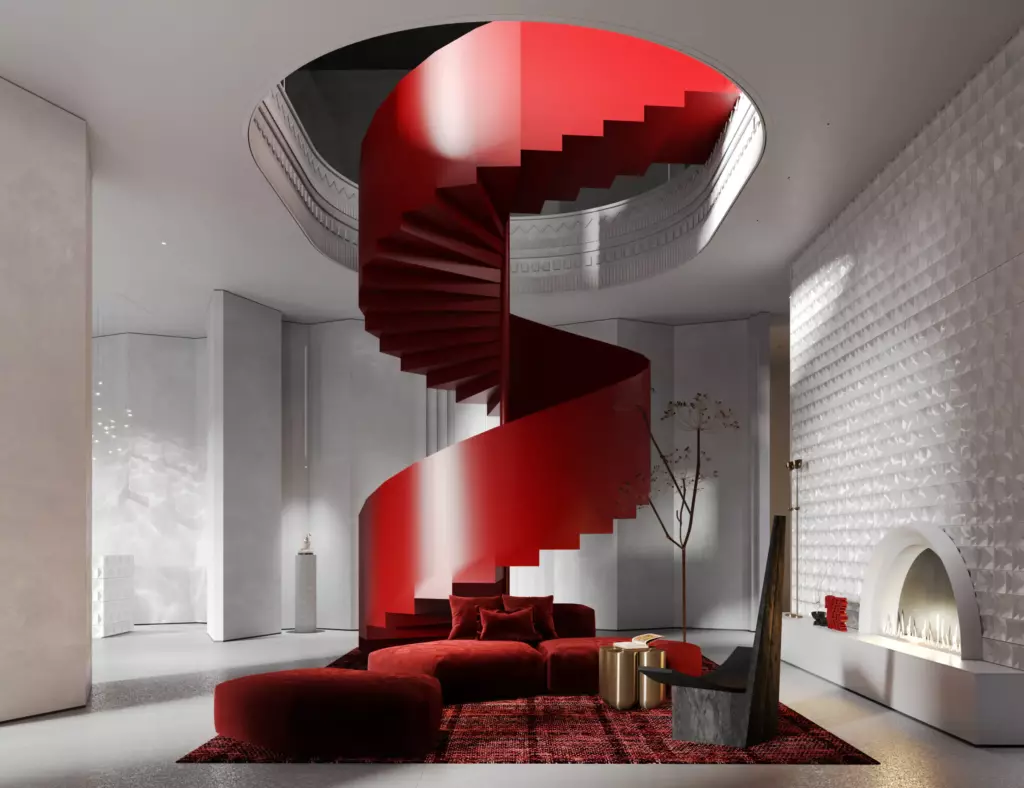
The interiors of Uzory club house win the Archpoint Concept Awards 2026
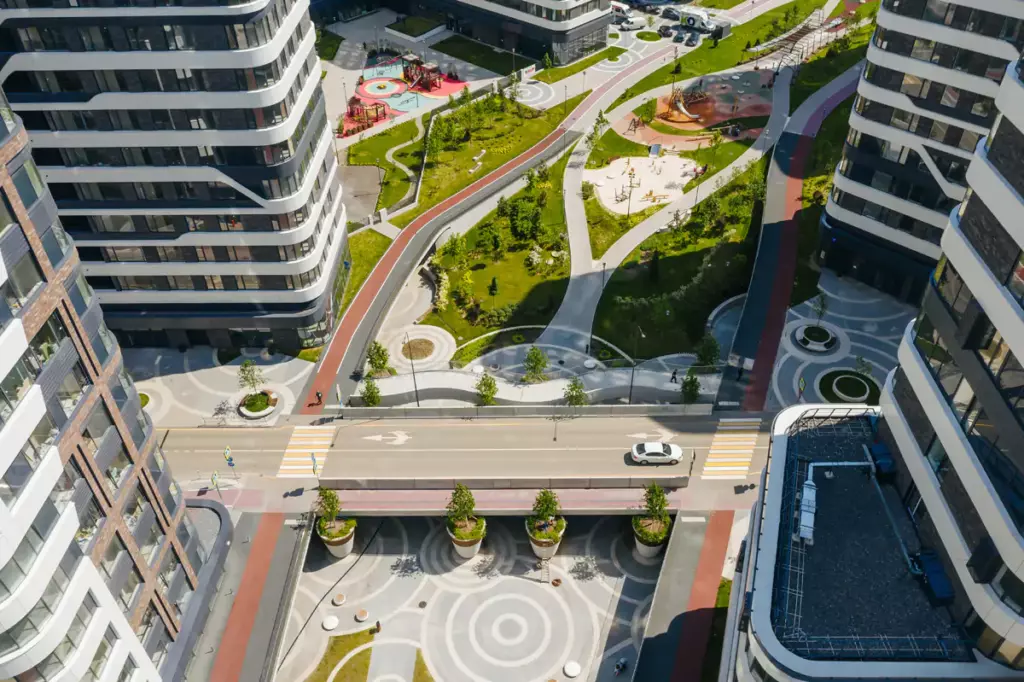
Green River Park in the Symbol Residential Complex